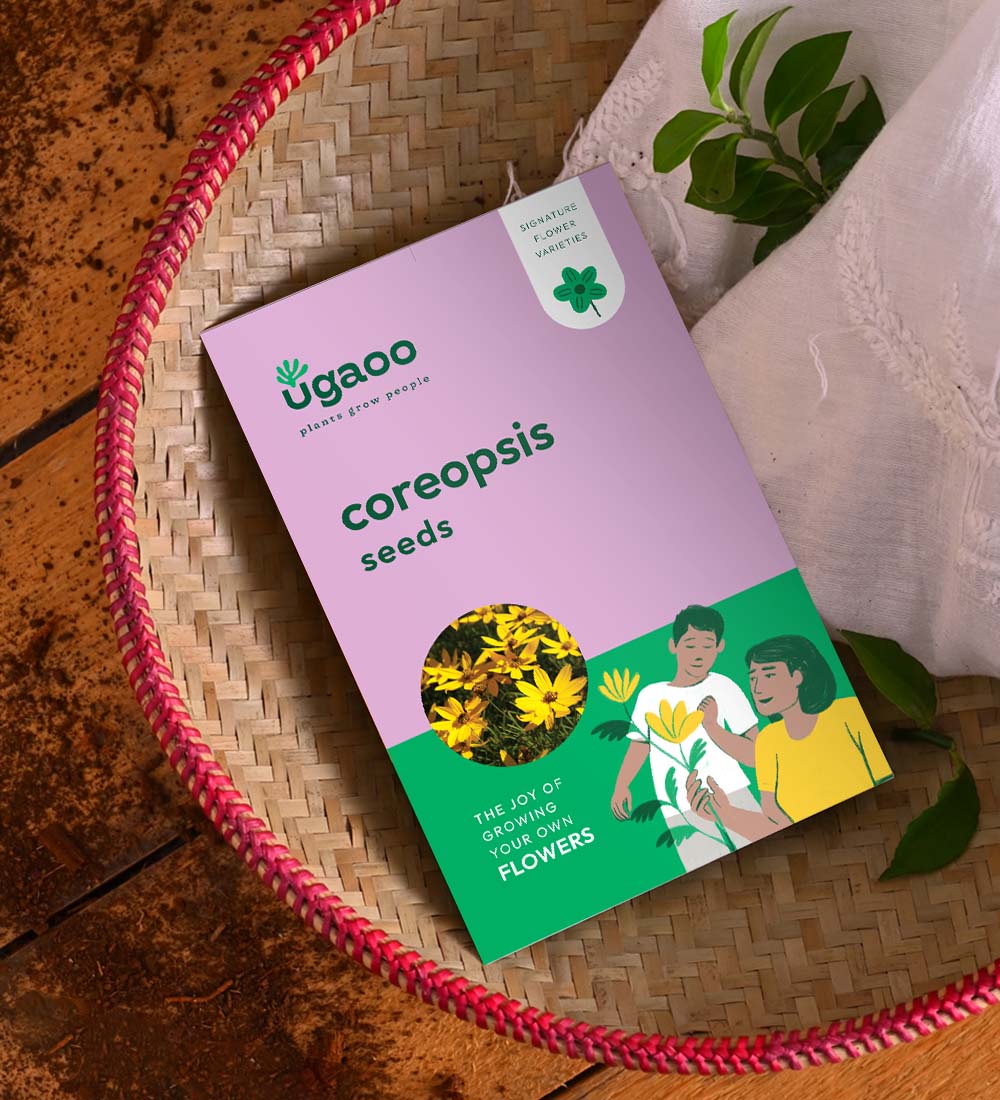
Coreopsis Seeds
- Regular price
-
₹99 - Regular price
-
₹155 - Sale price
-
₹99
Couldn't load pickup availability
About The Product
Coreopsis is also called tickseed and you will be thrilled to know that it is an easy to grow, low maintenance flowering plant. It gets the name tickseed because the seeds of the coreopsis resemble ticks.The flowers look like daisies, with rugged frilly petal extremities and come in various bright and vibrant colours such as yellow, orange, pink and red.
No. of Seeds: Approx. 235 to 255 Seeds
The seeds have a successful germination rate of over 70%, the seeds in the packet can be used for several sowings. Follow the sowing instructions on the back of the packet.
Sowing: Summer
The main growing season is from March to June. Seeds need to be sown in early March or April. Start your seeds indoors for a higher rate of success.
Germination: 21-28 days
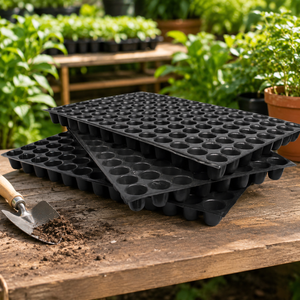
Germinate your seeds indoors in seedling cups in a mix of cocopeat and compost and place it in a well-ventilated area. Follow the sowing instructions at the back of the packet.
Harvest in 4-5 Weeks
The approximate number of days it takes from sowing of seeds and successful germination to the time you can harvest it. PS: All other growing conditions need to be met.


Coreopsis Seeds
- Regular price
-
₹99 - Regular price
-
₹155 - Sale price
-
₹99
- Coreopsis Seeds
- Sowing instructions printed on backside of Seed Packet
- Recyclable Pouch
Product Specifications
| Name | Coreopsis Seeds |
|---|---|
| Category | SEEDS |
| Country of Origin | INDIA |
| Marketed by | Ugaoo Agritech Pvt Ltd, Plot No. 90, Floriculture Park, Ambi, MIDC, Talegaon Dabhade, Maharashtra 410507 |
| MRP | ₹155 (Incl. of all taxes) |
| Net Quantity | 1 |
| Manufactured by | Ugaoo Agritech Pvt Ltd, Plot No. 90, Floriculture Park, Ambi, MIDC, Talegaon Dabhade, Maharashtra 410507 |
| Customer Support | Email : support@ugaoo.com Call: +91-9129912991 |
FAQs
What is another name for Coreopsis?
Calliopsis and tickseed are the other names for Coreopsis. These native North American flowers are low-maintenance, drought-tolerant, and long-blooming. Resembling daisies, Coreopsis is an excellent choice for decorating garden borders or filling garden beds with vibrant colors.
When to sow Coreopsis seeds in India?
For thriving Coreopsis, sow seeds from late winter to early summer (January to April) in India using a quality, well-draining potting mix like Ugaoo's. Water regularly during growth and flowering, provide 6-8 hours of sunlight daily, and maintain temperatures between 21°C and 27°C. With these conditions, your Coreopsis will flourish beautifully!
How long does it take for Coreopsis to germinate?
The warmer the environment, the faster the germination process. With optimal conditions, Coreopsis seeds typically germinate within 21 to 28 days. It is essential to maintain a soil temperature of 18 to 24 degrees Celsius, utilize a well-draining soil mix, keep the soil consistently moist, and provide 6 to 8 hours of sunlight daily.
Where is the best place to plant Coreopsis?
Coreopsis flourishes in full sun, so choose a spot that receives at least six hours of direct sunlight daily and has well-drained, organically rich soil. Sow the seeds when temperatures are warm, typically between late winter and early summer. To elevate your garden’s appeal, plant Coreopsis along borders and flower beds, or pair them with herbaceous plants, shrubs, and ornamental grasses for a vibrant, layered look.
What is the difference between Cosmos and Coreopsis?
Cosmos and Coreopsis, both part of the Asteraceae family, bring unique beauty to any garden. Cosmos, an annual plant, features delicate leaflets along a central stem and blooms beautifully in summer and fall. In contrast, Coreopsis is a hardy perennial with long, slender leaves and vibrant flowers that grace us from early to late summer. With their stunning pink, purple, white, and yellow blooms, these plants are perfect for adding charm and color to your landscape. Choose one or both for a captivating garden!
Germinates within a week . Very good success rate .