





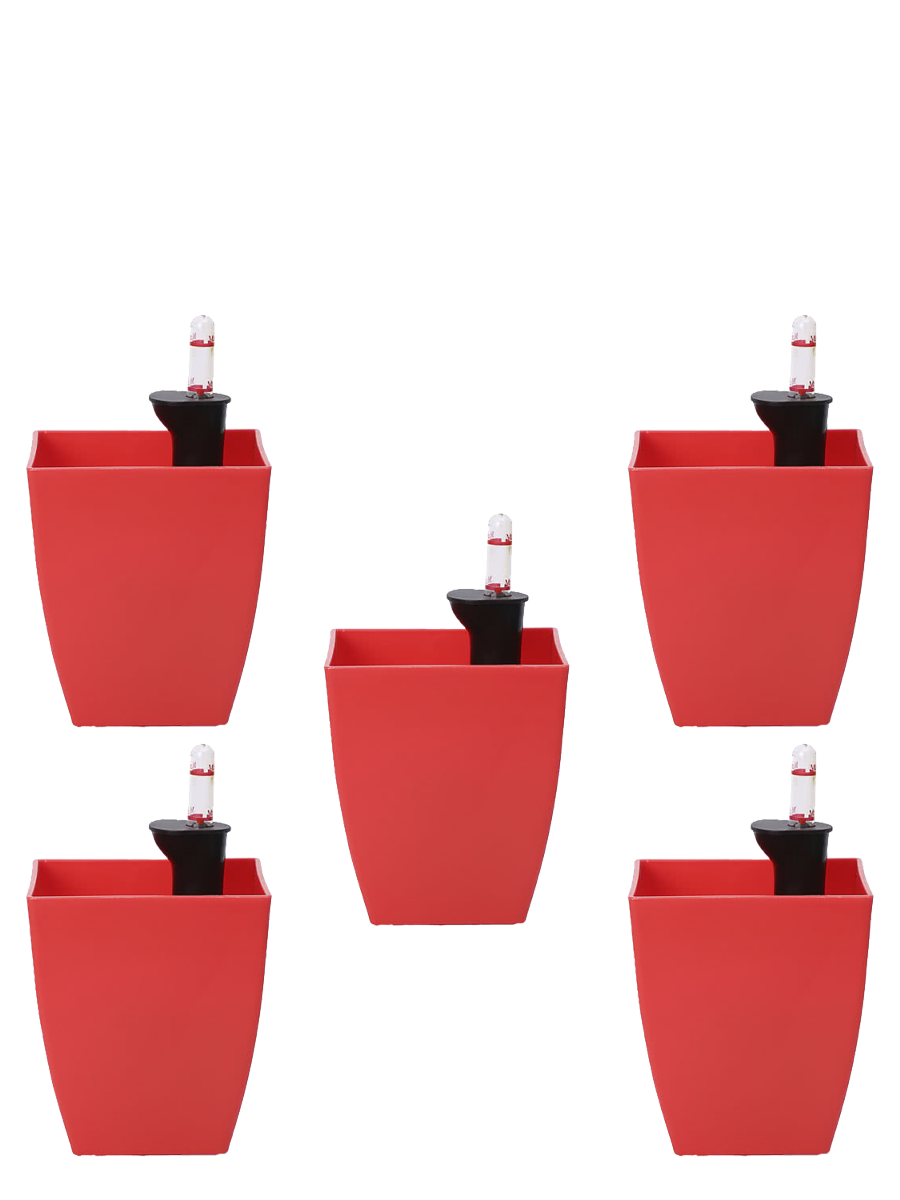
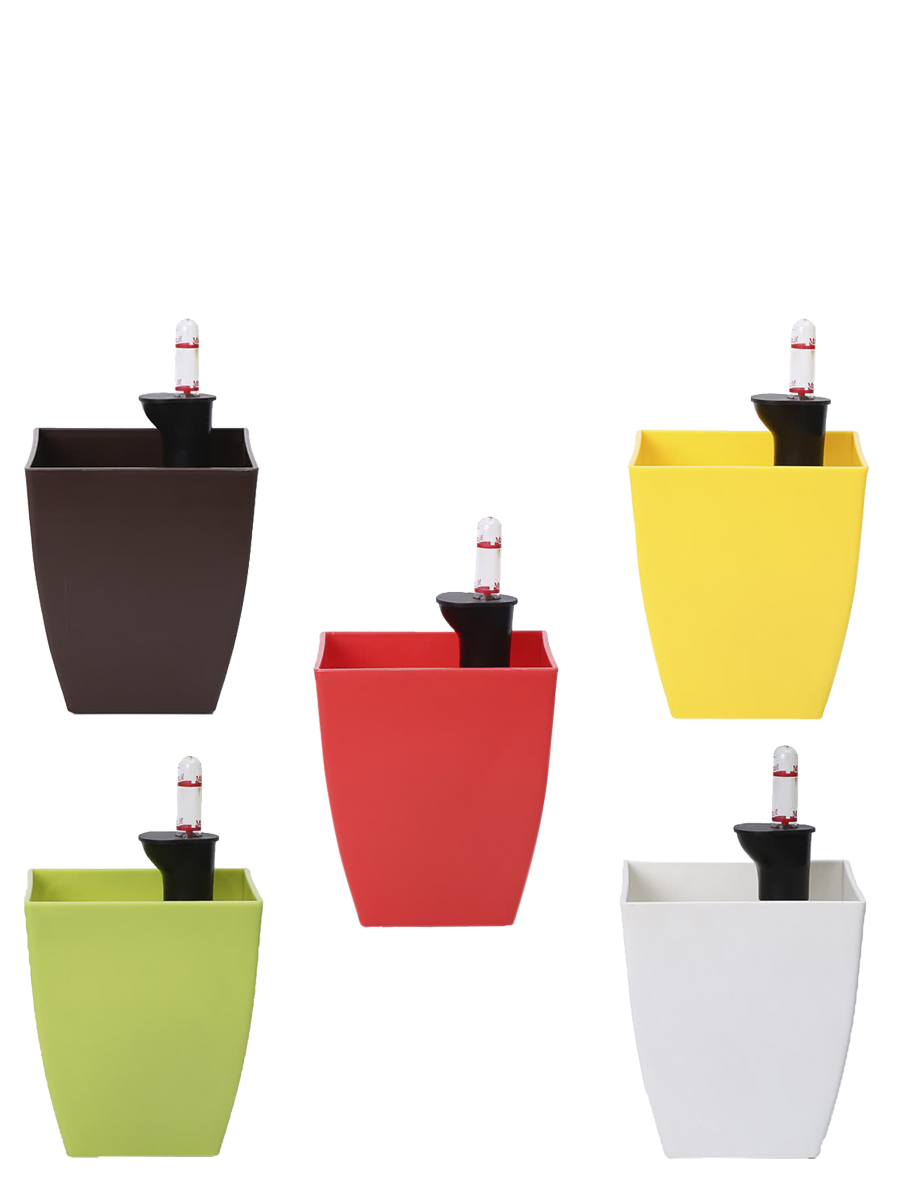
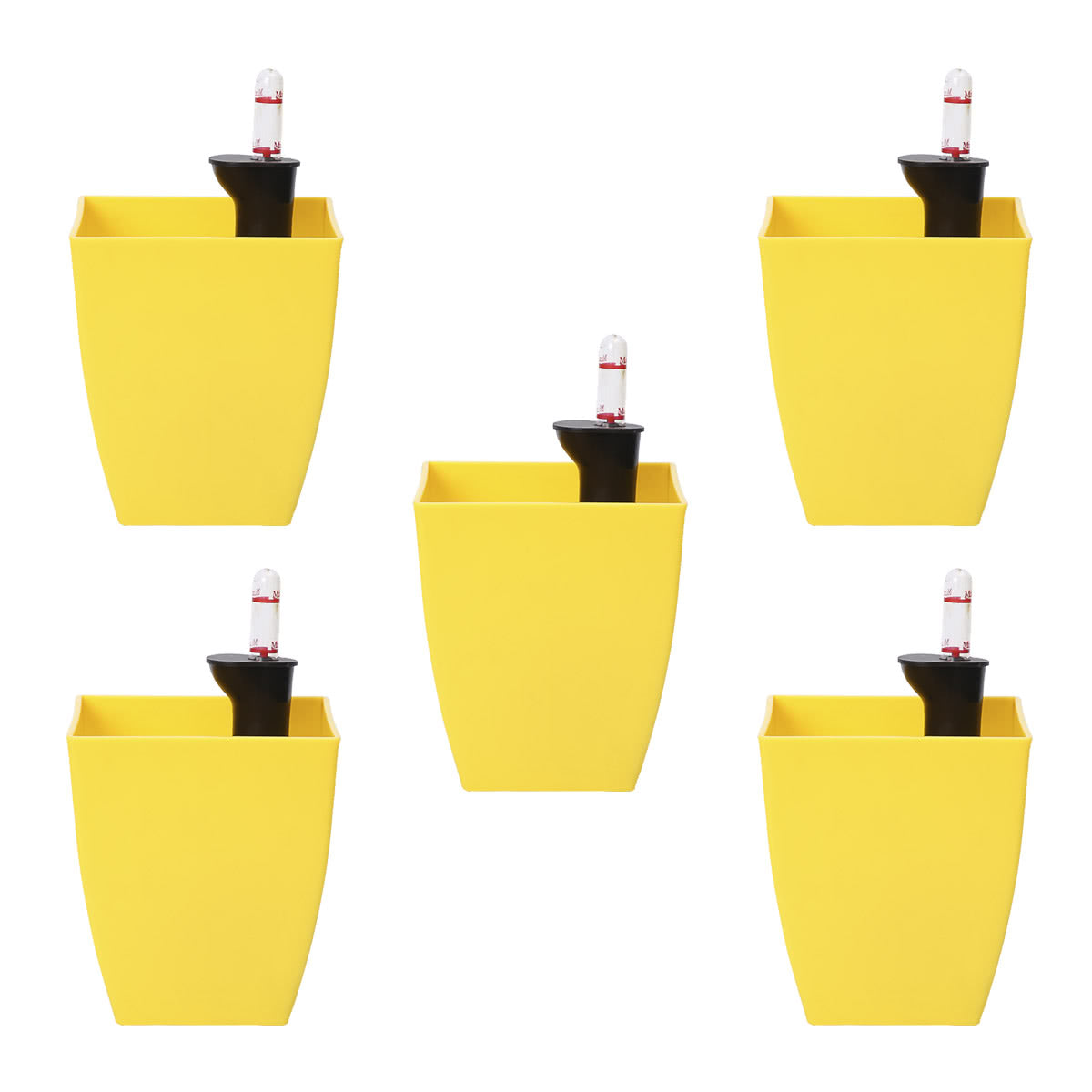
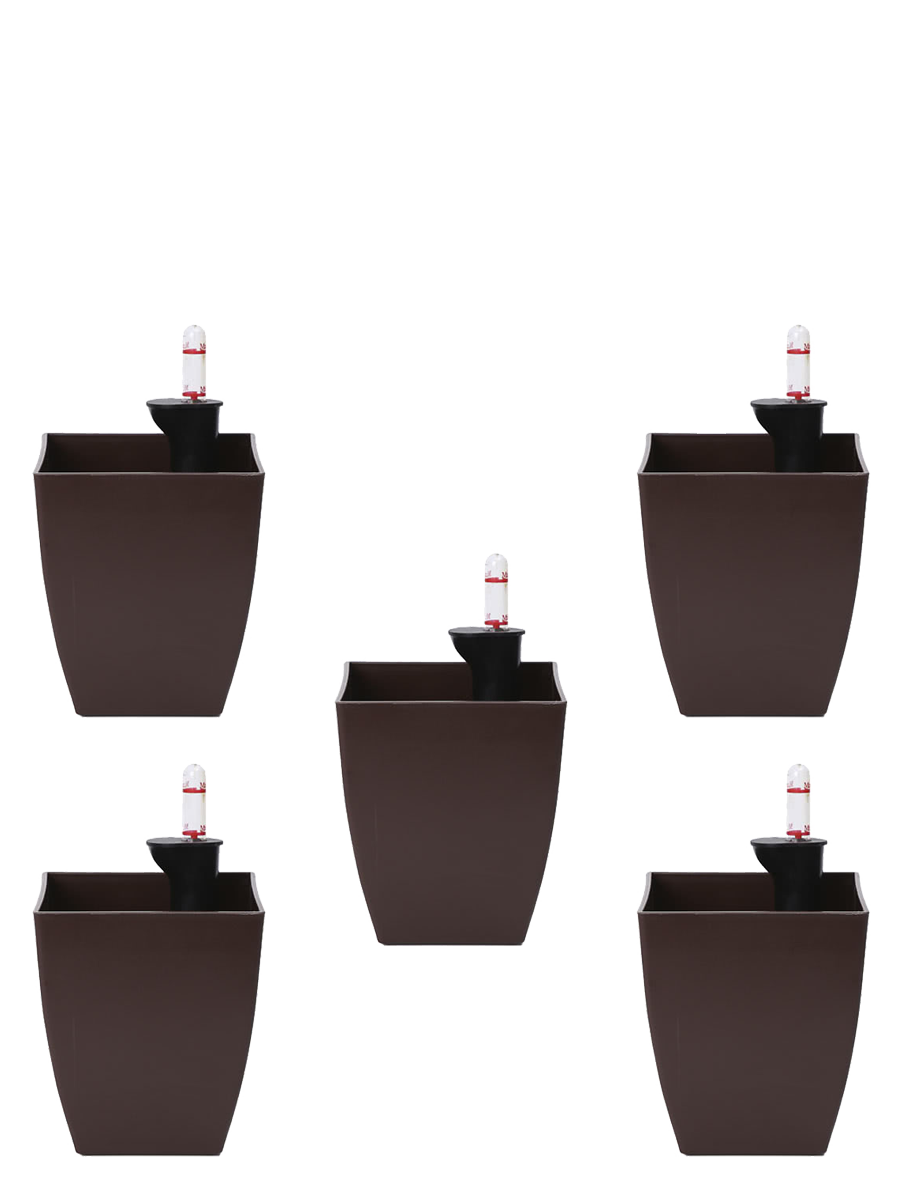
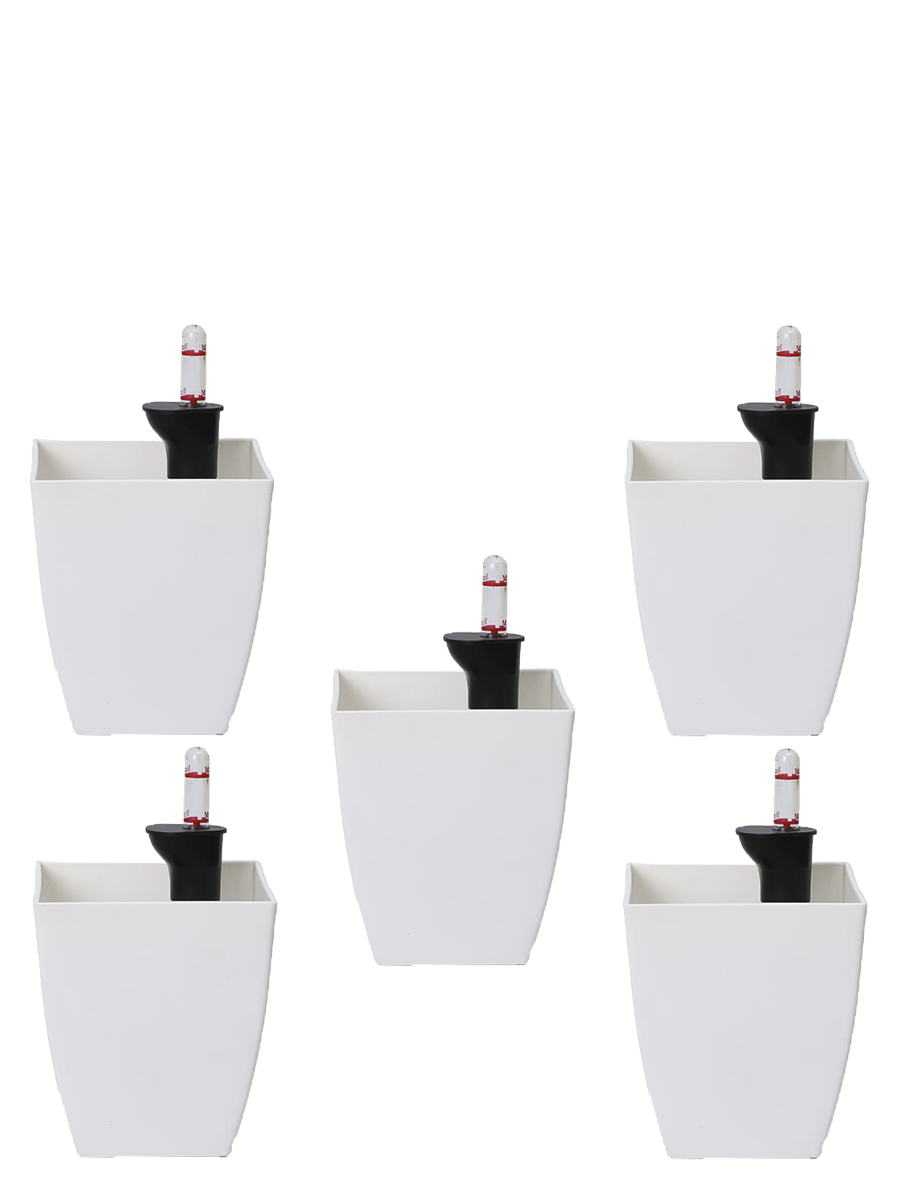
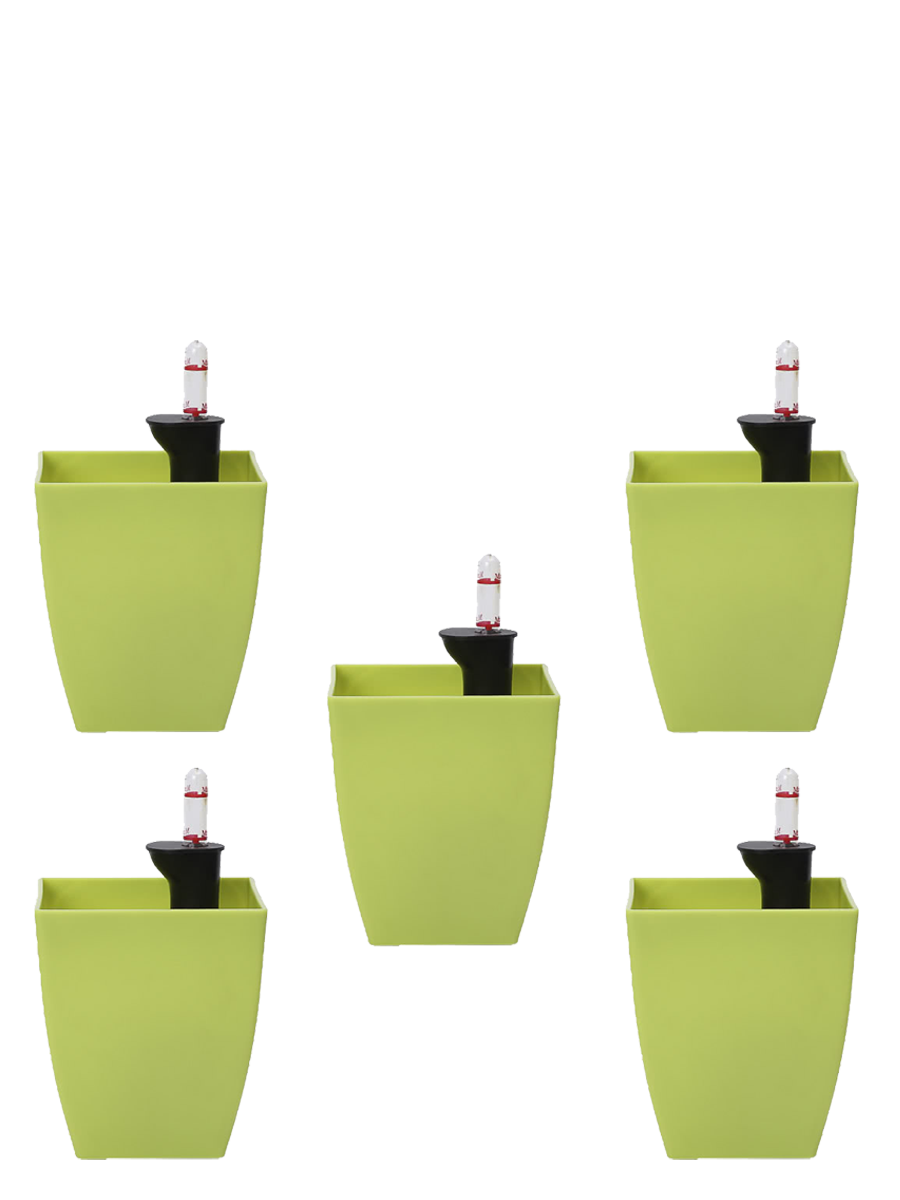
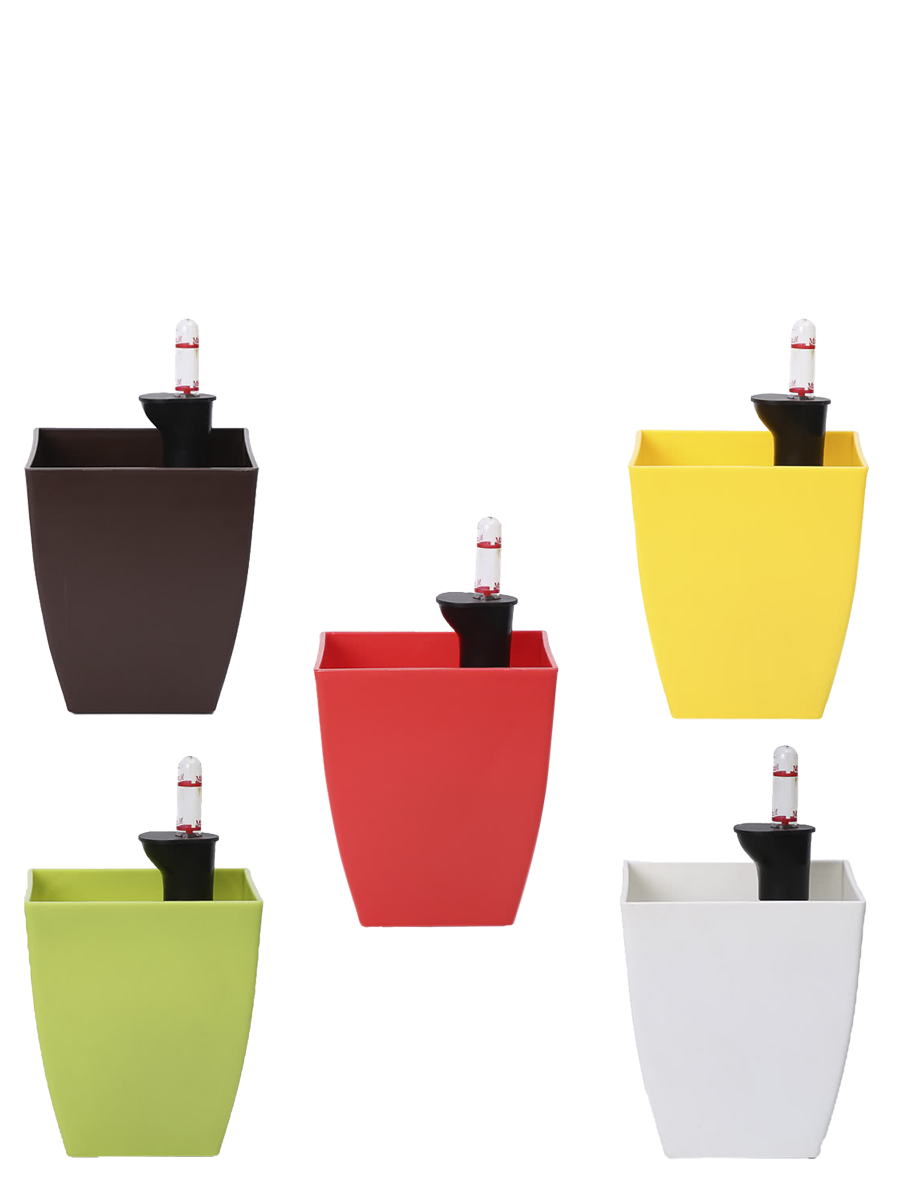
Chatura Self Watering Pots - Set of 5
Plants are only for representation purpose.
- Regular price
-
₹1,199 - Regular price
-
₹1,649 - Sale price
-
₹1,199
(Incl. of all taxes)
Tax included.
Delivery estimate
Couldn't load pickup availability
About The Product
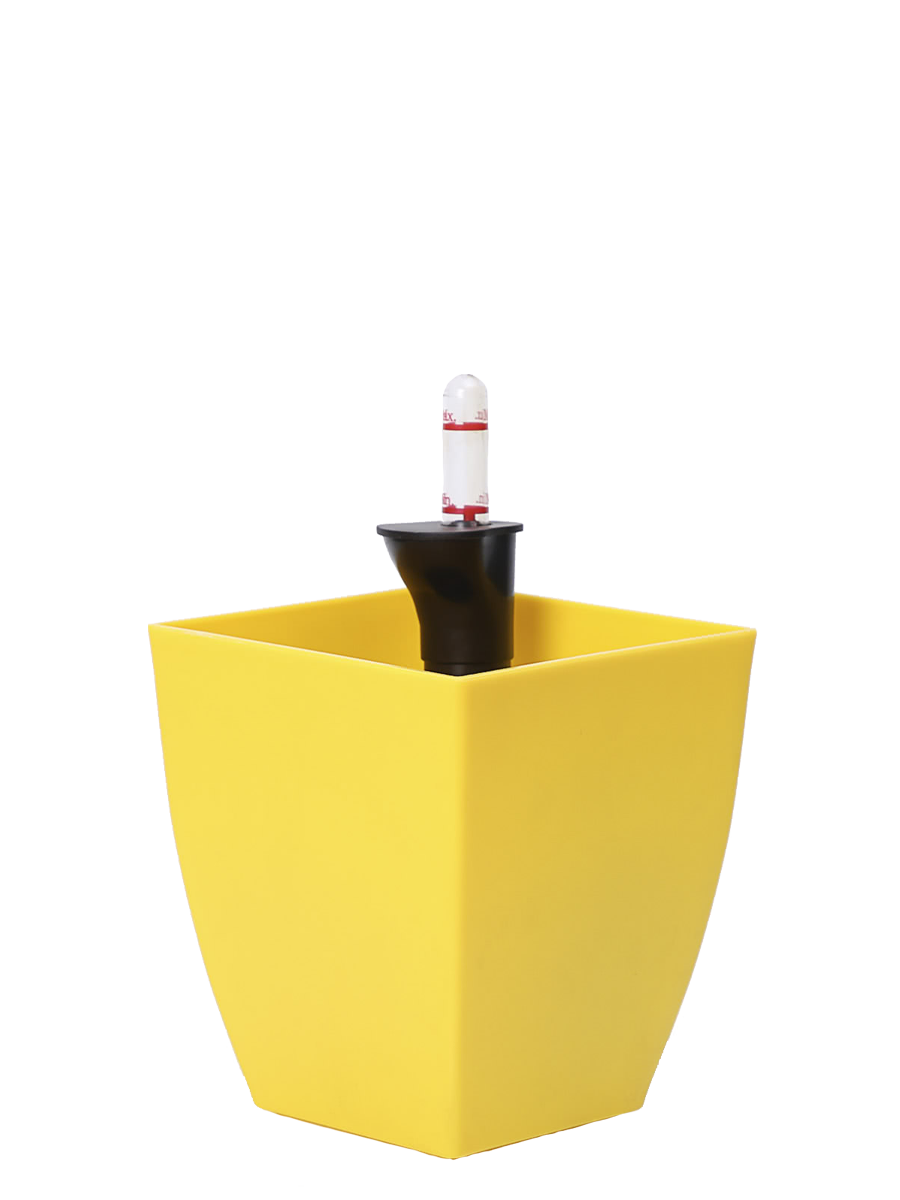
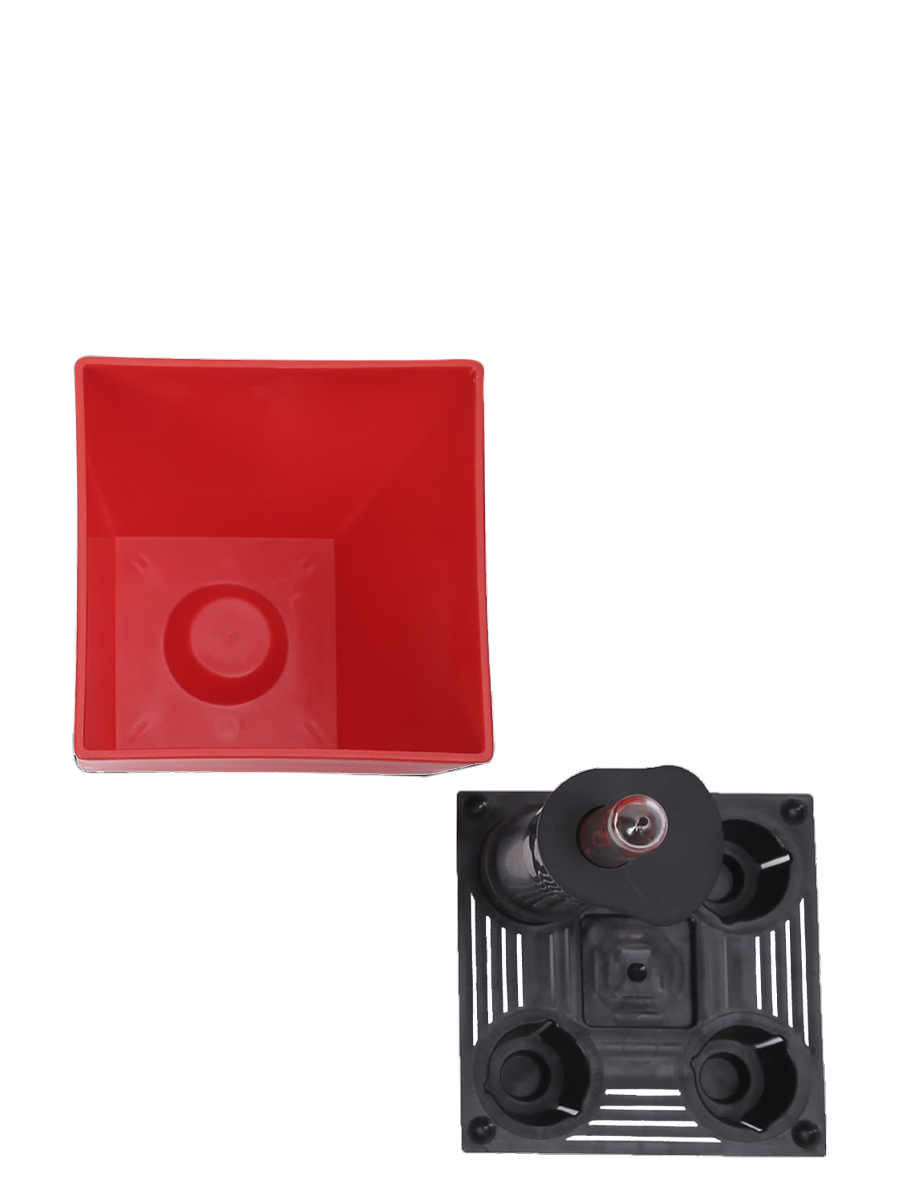
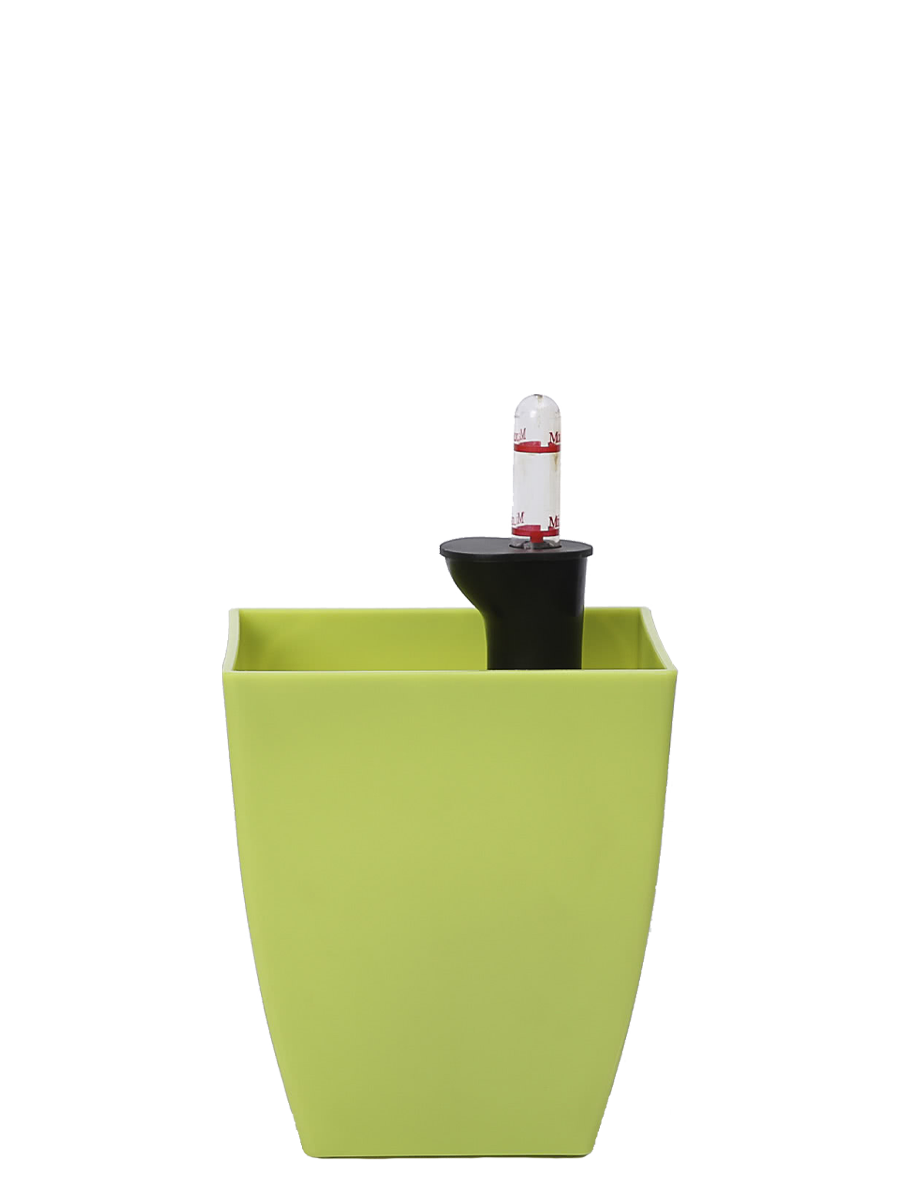
Chatura Self Watering Planter is designed to give just the right quantity of water your plants need with its water holding reservoir. The divider disk allows water to be in continuous contact with the soil / potting mix through it slits. The soil absorbs water via capillary action as and when required to avoid chances of both over and underwatering and give you a hale free gardening experience.
 Self Watering Planter

 Recyclable plastic

 Outdoor Planter


Light Guide


Product Specifications
| Name | Chatura Self Watering Pots - Set of 5 |
|---|---|
| MRP | ₹1,649 (Incl. of all taxes) |
From Happy Plant Parents
After receiving this plant (𝑴𝒐𝒏𝒔𝒕𝒆𝒓𝒂 𝑫𝒆𝒍𝒊𝒄𝒊𝒐𝒔𝒂),the plant was mature, tall as promised with a healthy growth...it was well hydrated and full of node. The packaging was great... Thank you @ugaoo for this delightful Monstera.. I'll be happy to buy it again.

It was always wonderful experience with ugaoo plants what they show is what customer receives always And that is too big thing to manage packaging and quality Love for ugaoo foundation will remain infinite.

Ugaoo is a brand that's synonymous with trust.. you know your plants will have a long life once you buy from them, not only because their plants and seeds quality is good, but they handhold you through every small part of the lifecycle.. they are my plant buddies for life... Whether i buy online, from The Jungle, whether i buy jade or mooli seeds... Whether i chat on insta or attend their online classes, or request for a return... each and every member of the ugaoo family speaks the same language... That of love- for the customer and for plants.. i am so glad ugaoo is in my life.

During covid, all deliveries became online. food,plants , groceries..wait..plants? Who would have thought?..well..Ugaoo did and is best at it. They make sure that we get the greenest and lushest plants so that we can love & care for them as they do. Their delivery containers are not only functional but aesthetically pleasing too. I personally am in love with their service and would totally recommend it to anyone who wants to make the first step in making their home a jungle.
