



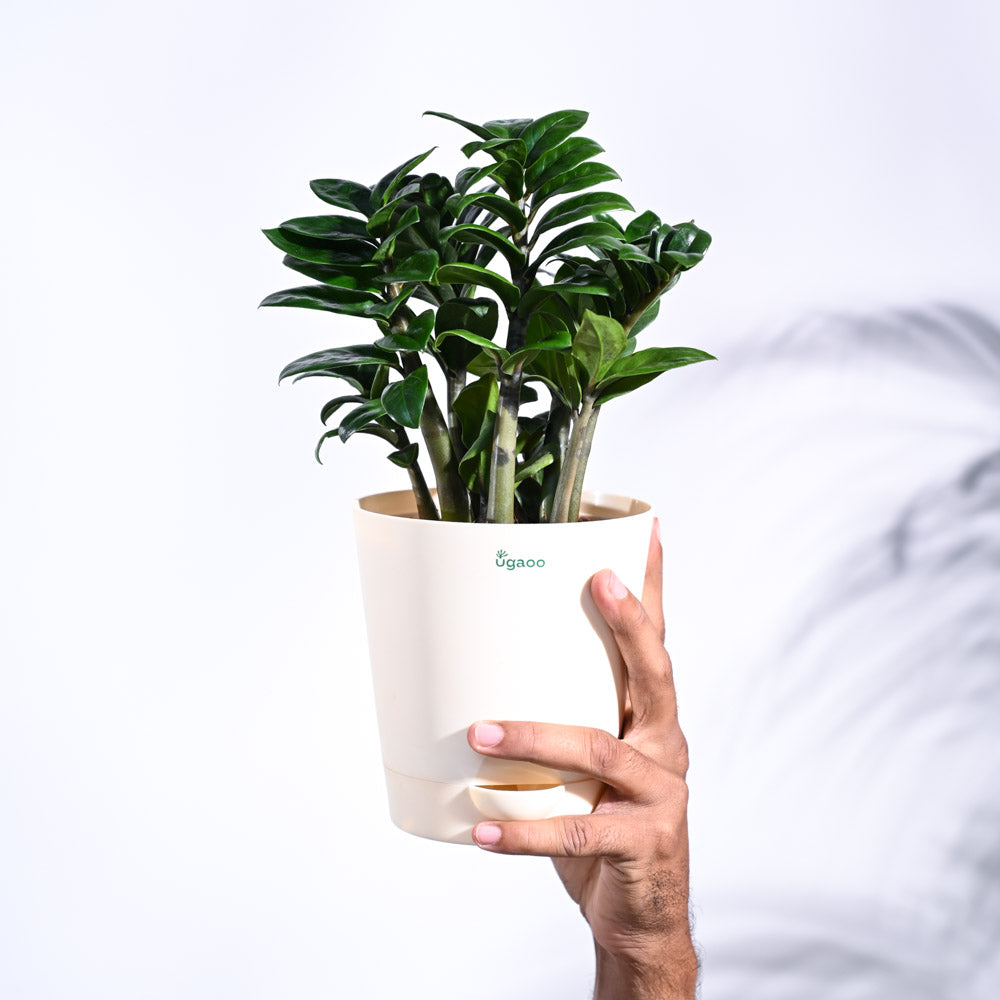
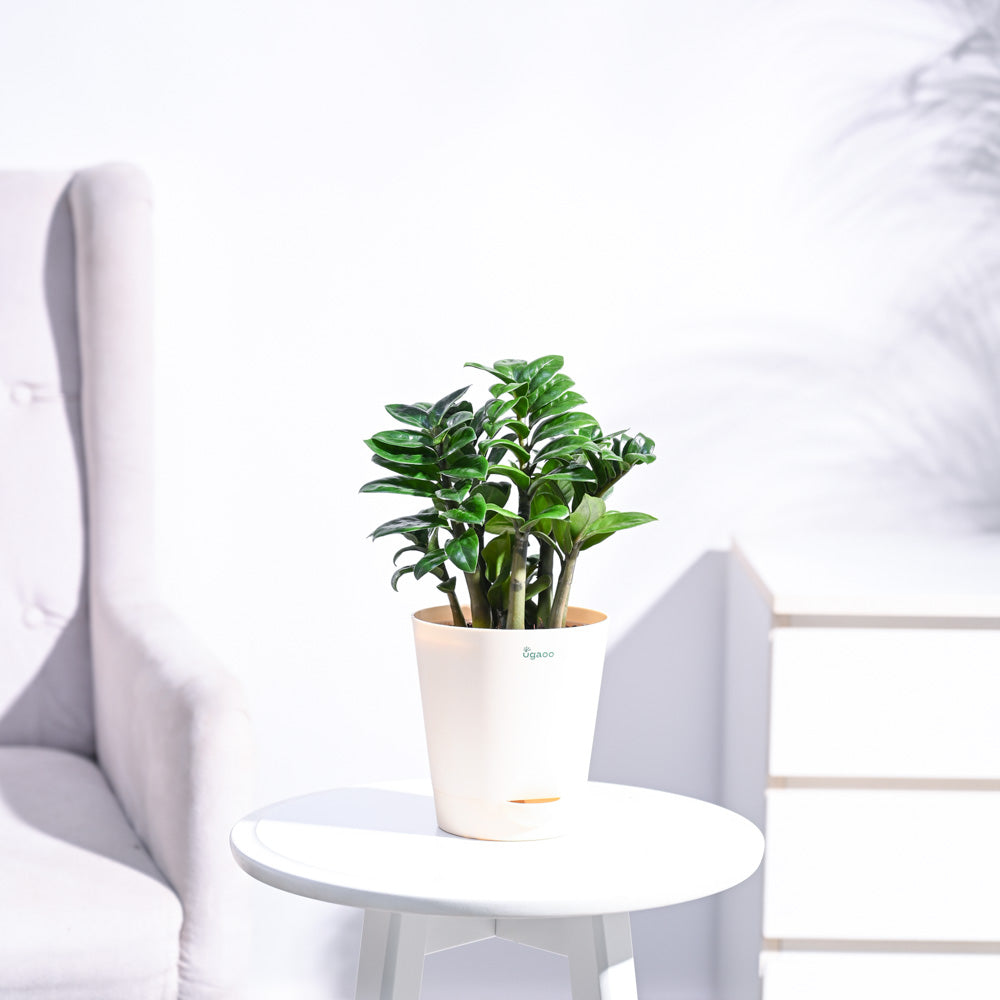
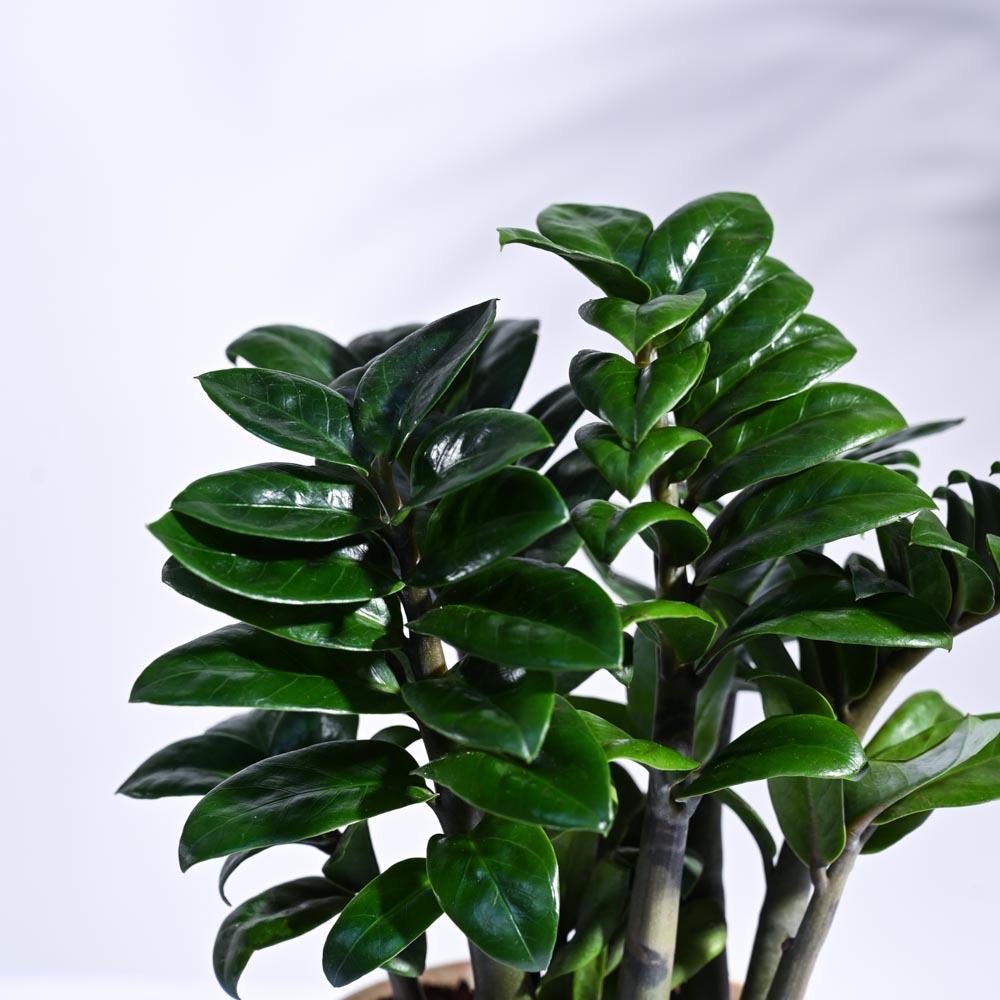
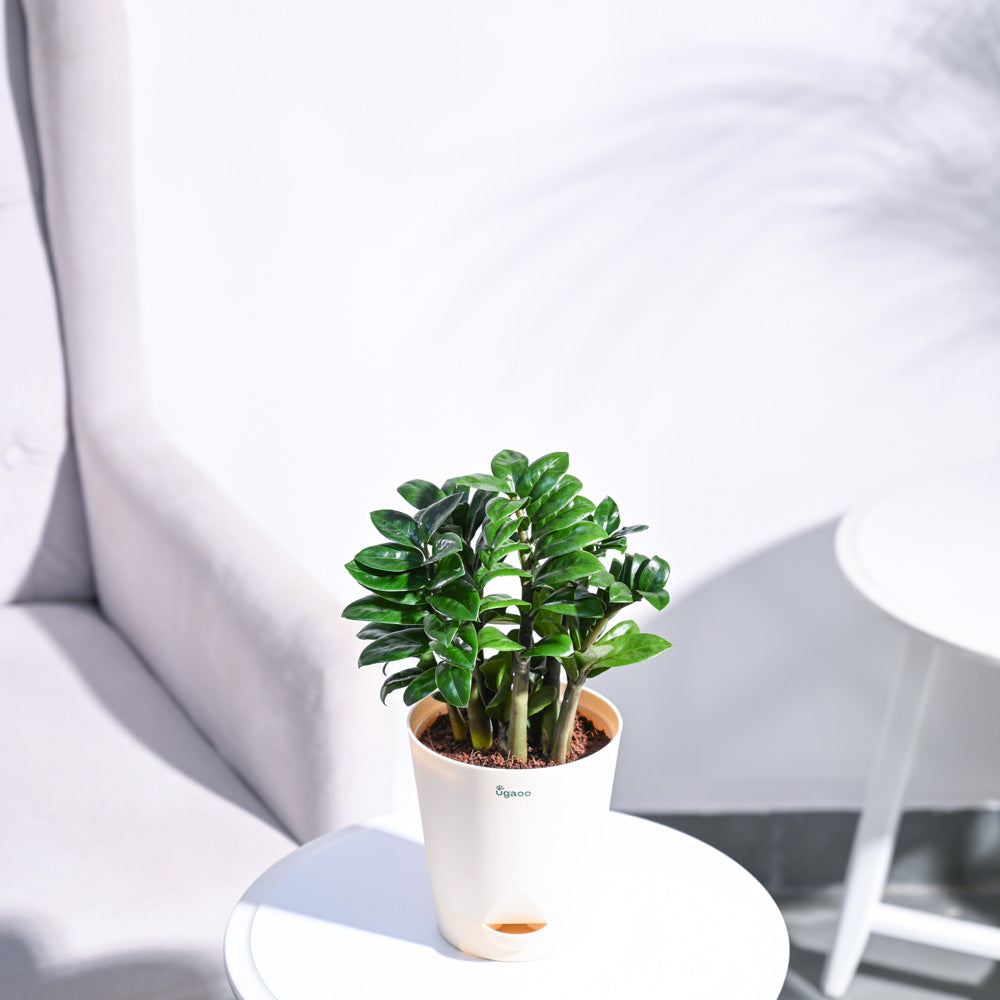
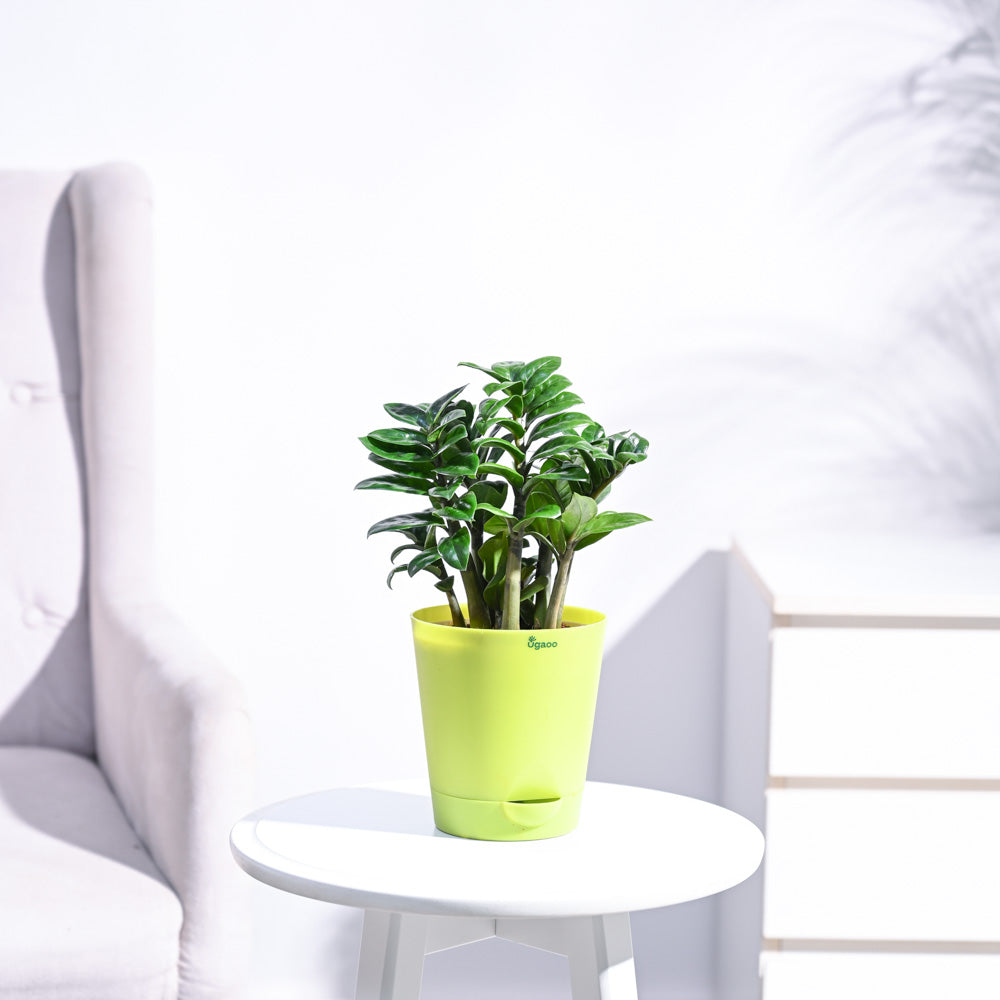
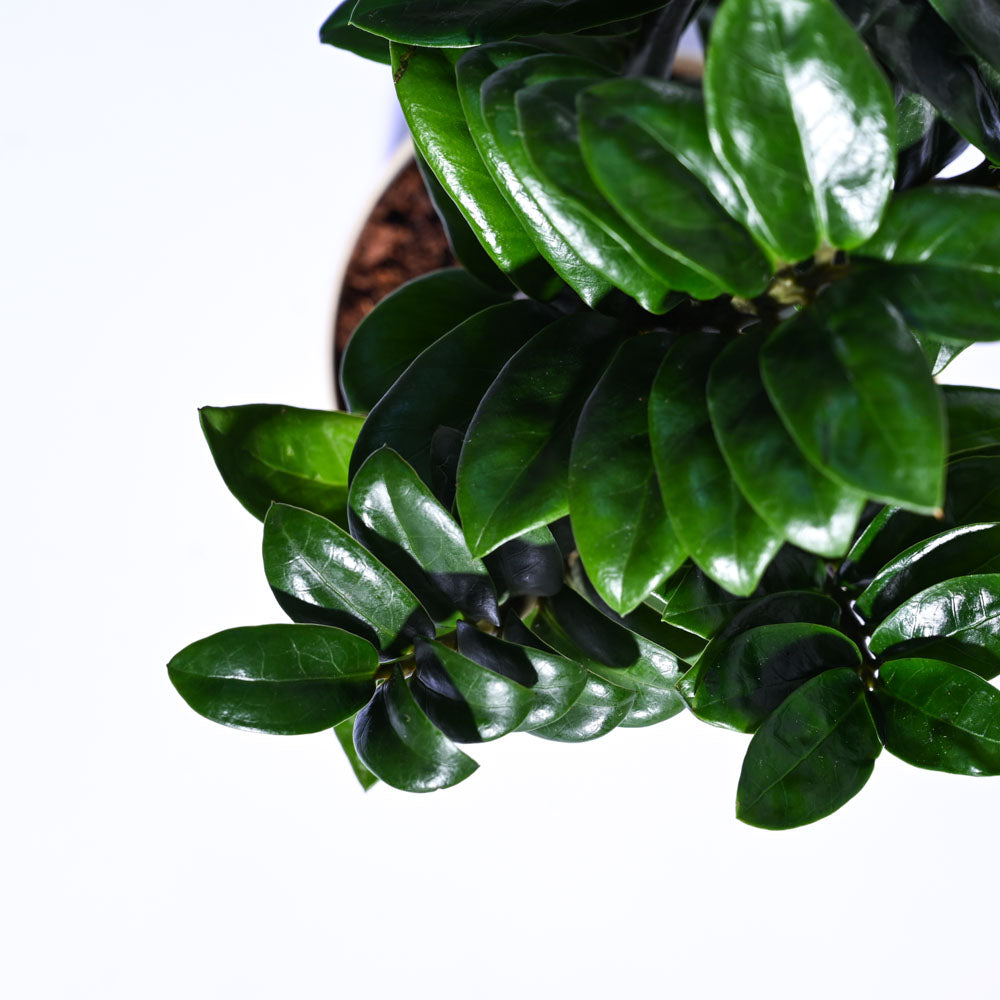
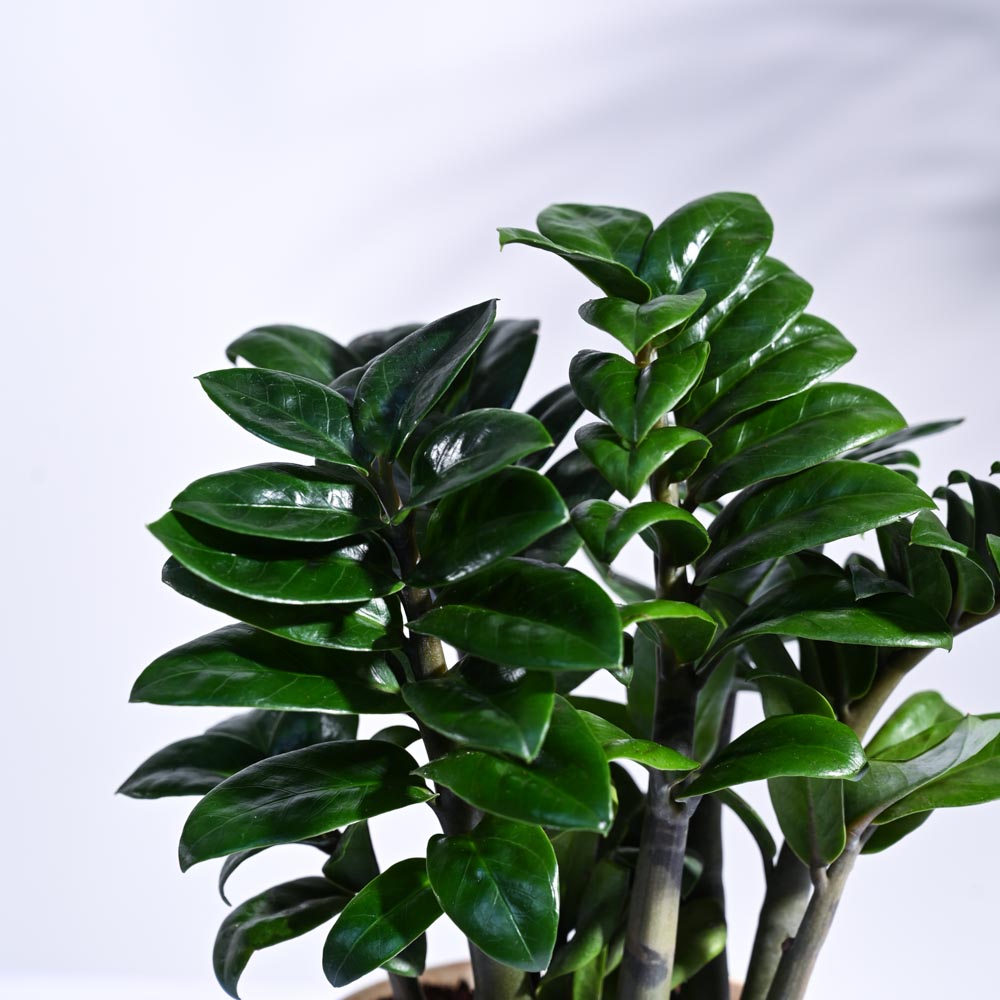
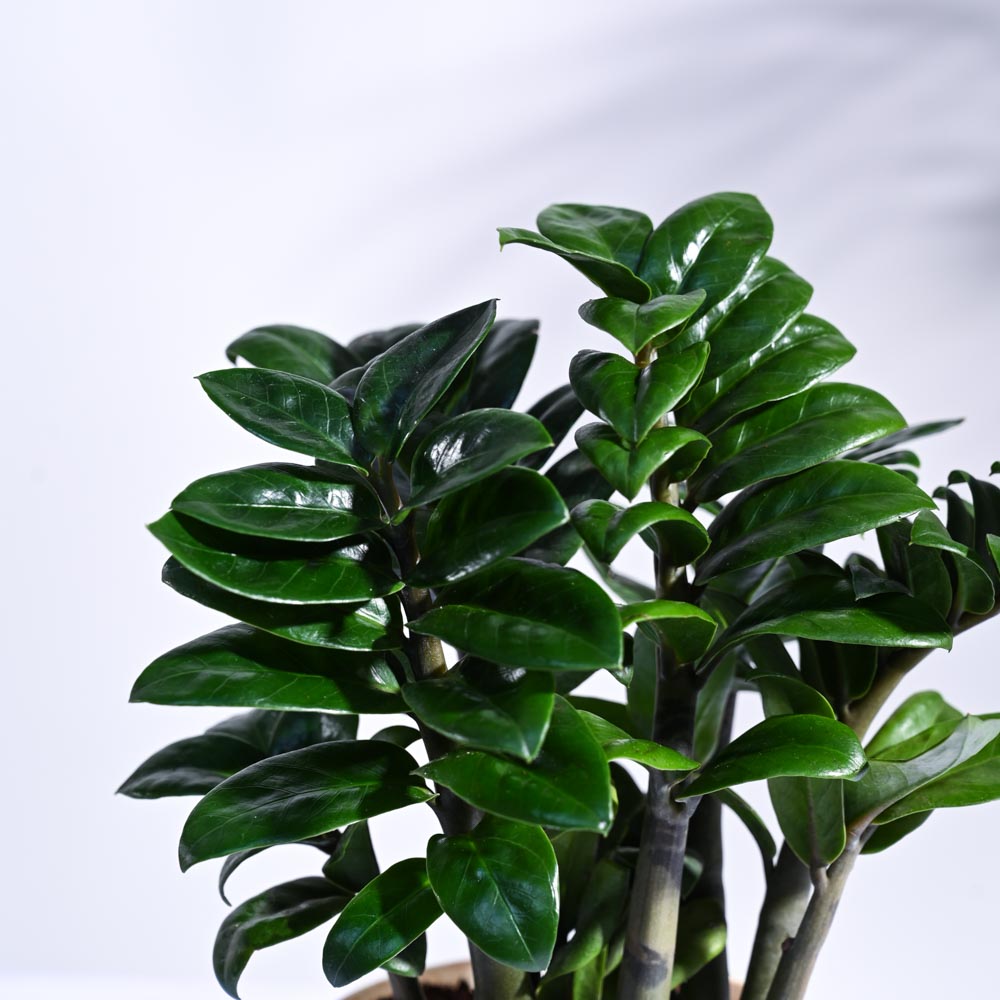
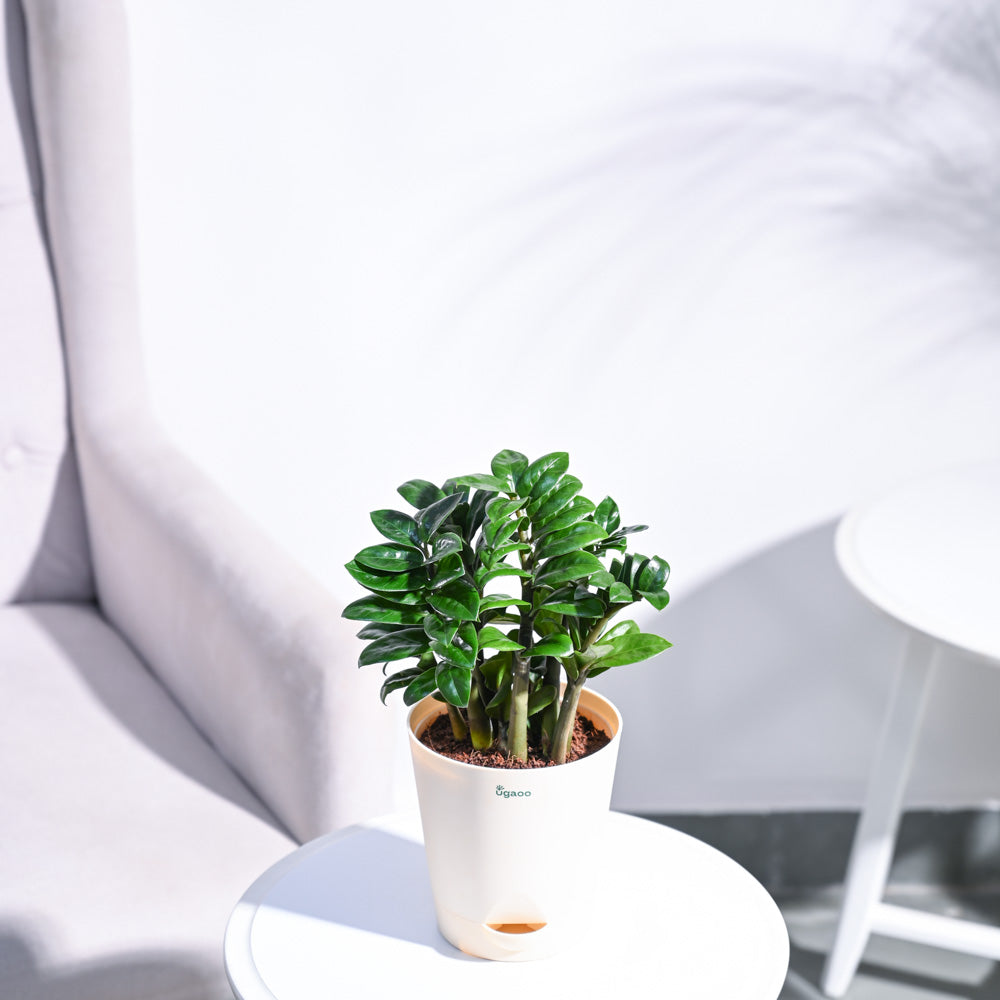
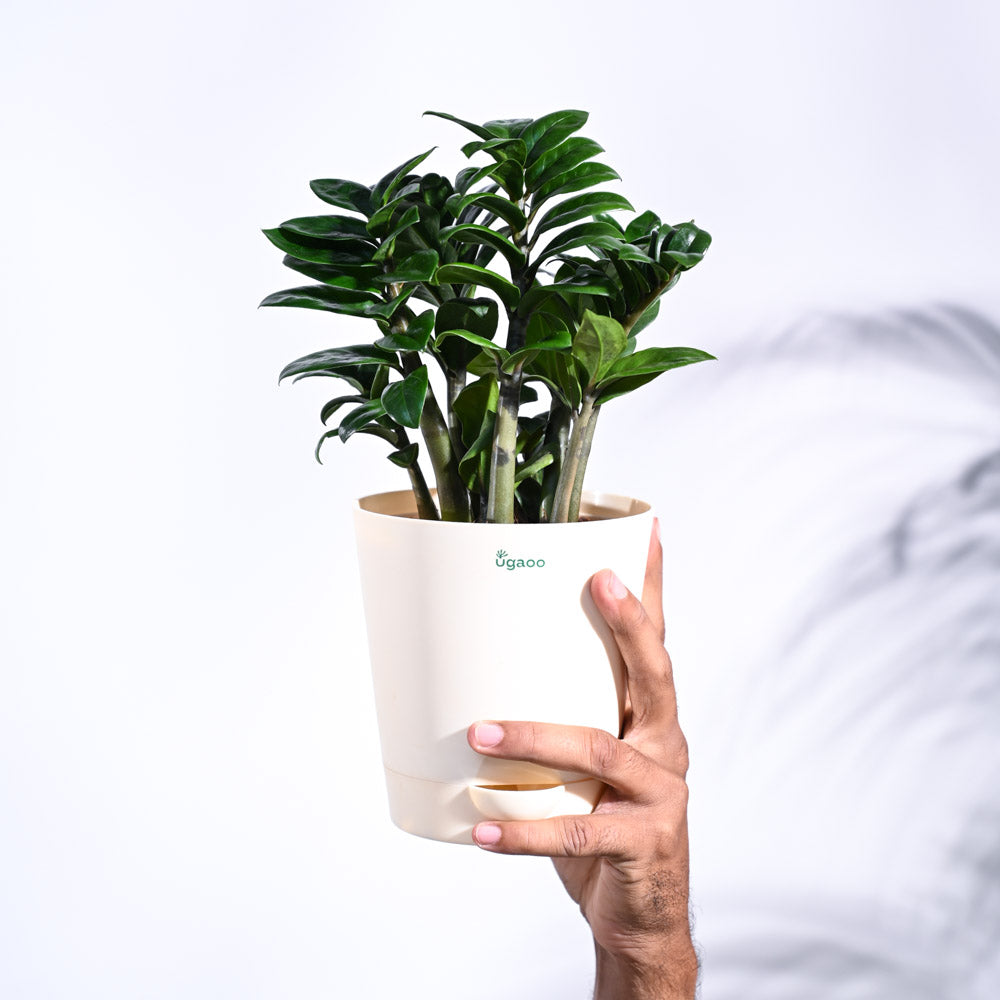
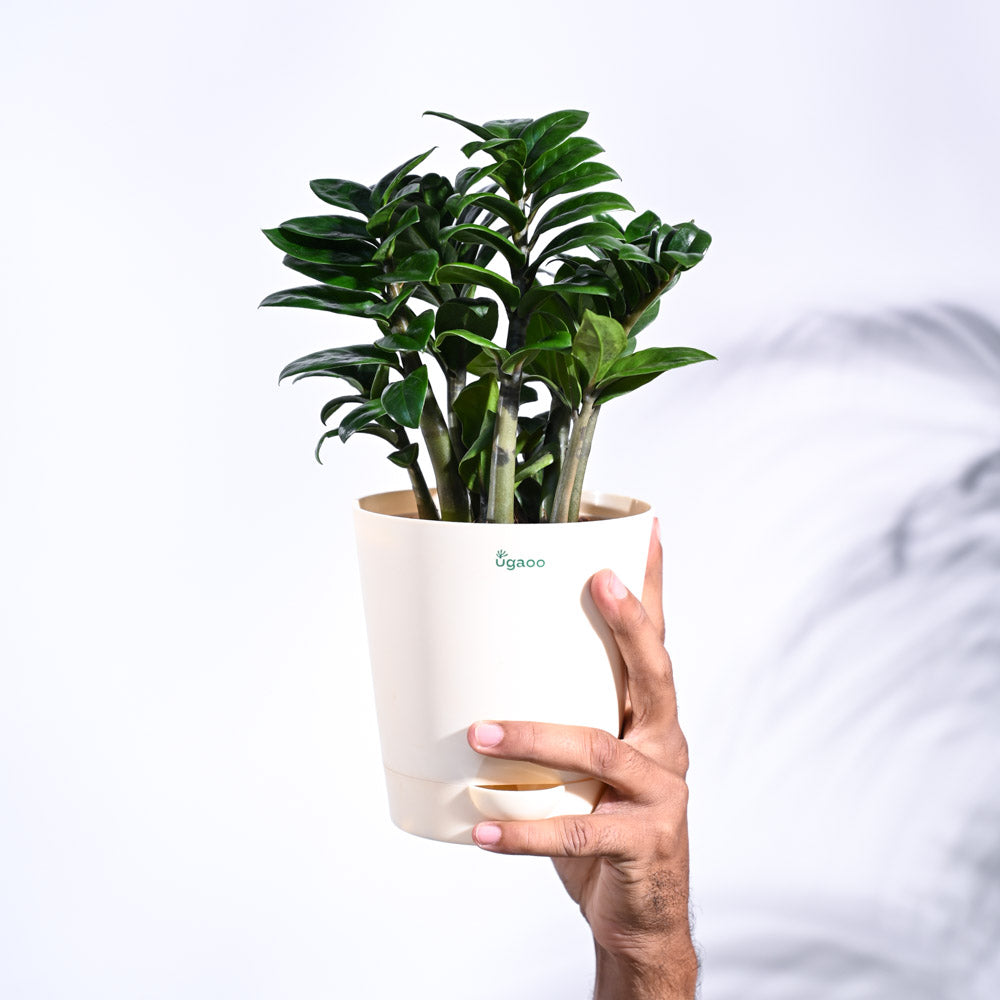
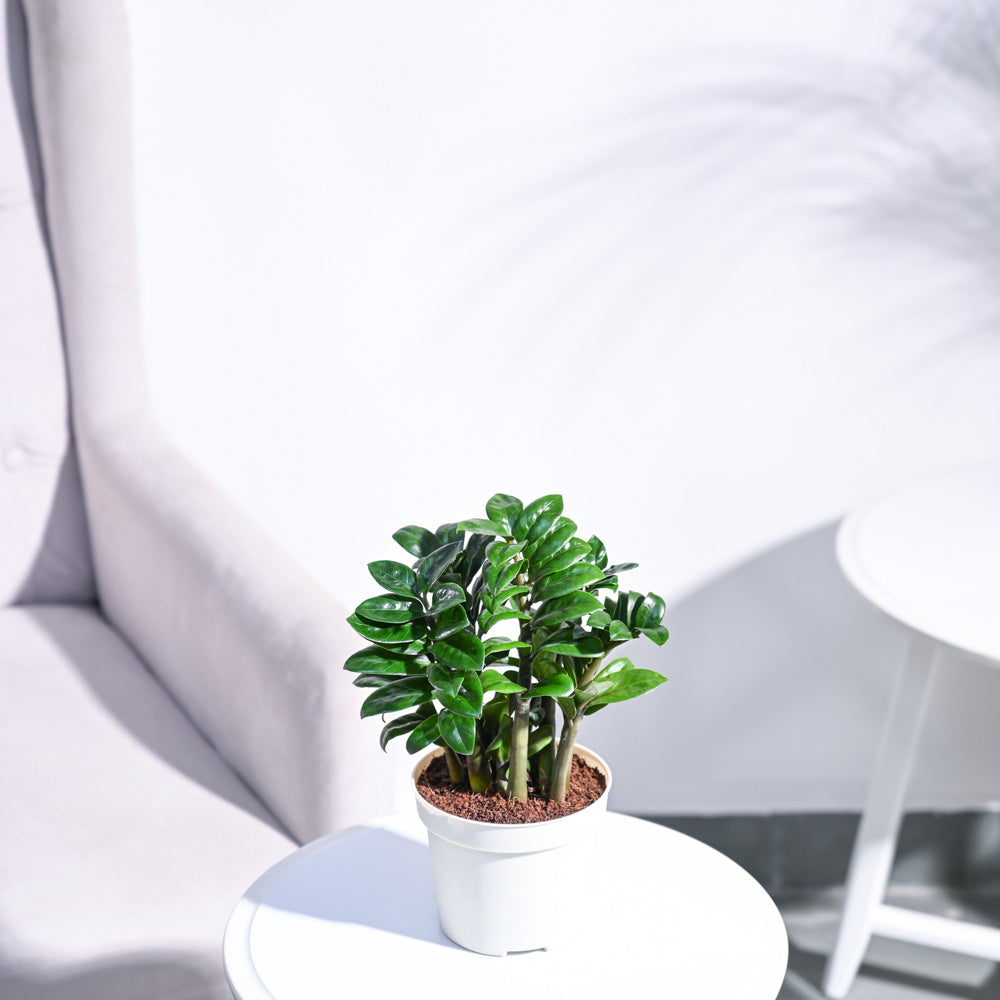
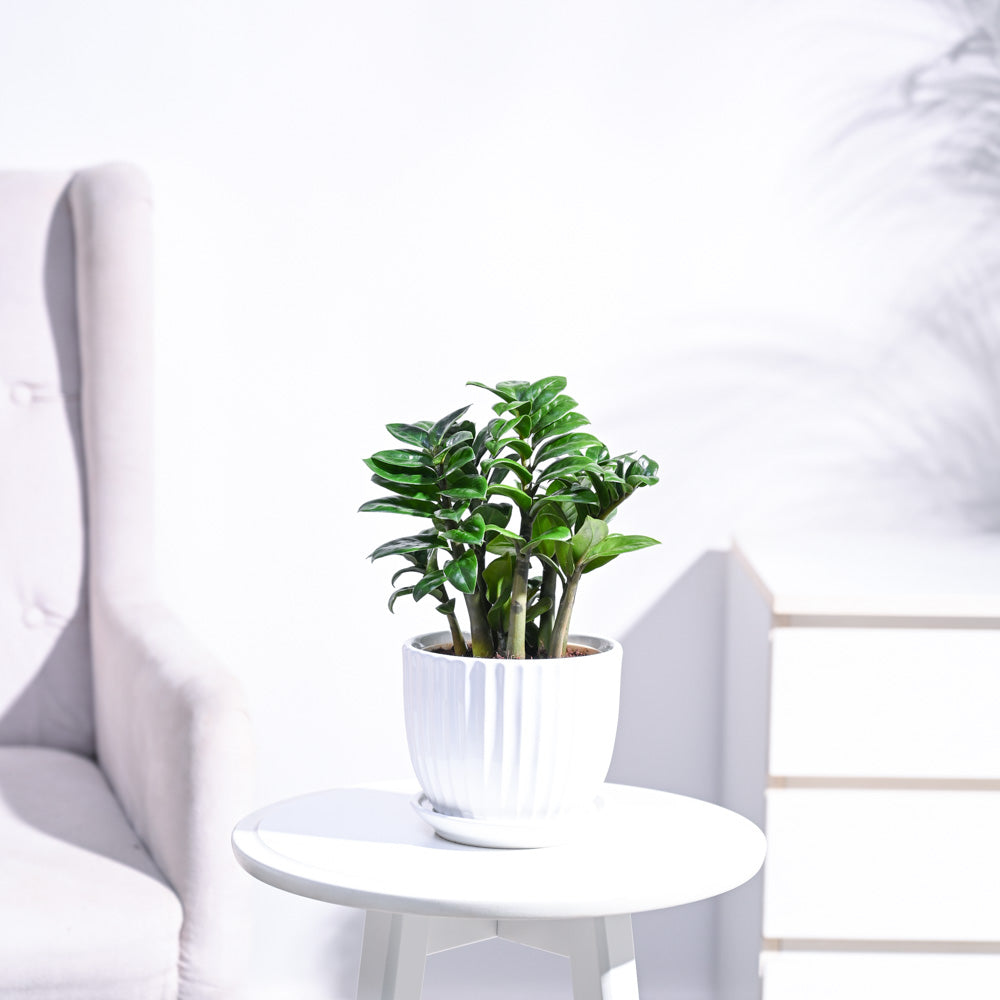
Dwarf ZZ Plant
Compact, glossy, beginner-friendly


Dwarf ZZ Plant
Compact, glossy, beginner-friendly
- Regular price
-
₹599 - Regular price
-
₹599 - Sale price
-
₹599
Couldn't load pickup availability
Offers for you:
Get 10% off on above ₹1,499
Free shipping on all orders above ₹499
Offer applied at checkout
30-Day Plant Guarantee

Friendly Plant Support
Need help? Chat with us

Pan-India Delivery
Safely packed and delivered
30-Day Plant Guarantee
-
Register within 5 days
Register your plant at care.ugaoo.com within 5 days of delivery to activate your guarantee. -
Dies or dying? You're covered
Claim can be filed within 30 days of delivery, for a free replacement or a gift card — see full terms.


How easy it is to care?

Water
Once every 10 days

Light
Low Light






How easy it is to care?
Water
Once every 10 days
Light
Low Light
The ultimate ungli test
Dip your finger in the soil
- Finger dry: Time to water
- Finger moist: Avoid watering
Product Specifications
| Name | Dwarf ZZ Plant |
|---|---|
| Category | PLANTS |
| Country of Origin | INDIA |
| Marketed by | Ugaoo Agritech Pvt Ltd, Plot No. 90, Floriculture Park, Ambi, MIDC, Talegaon Dabhade, Maharashtra 410507 |
| MRP | ₹599 (Incl. of all taxes) |
| Net Quantity | 1 |
| Manufactured by | Ugaoo Agritech Pvt Ltd, Plot No. 90, Floriculture Park, Ambi, MIDC, Talegaon Dabhade, Maharashtra 410507 |
| Customer Support | Email : support@ugaoo.com Call: +91-9129912991 |




















The ultimate ungli test
Dip your finger in the soil
- Finger dry: Time to water
- Finger moist: Avoid watering
Ugaoo vs the Rest

You may also like

Soft creamy leaves, beginner-friendly

Bamboo with fortune and positivity

Goodluck plant, great gift


Spiral, stunning beauty
Customers praised this healthy, beautiful plant with glossy leaves and thick stems. "Best quality anyone can buy online!" Packaging was consistently excellent and protected plants during delivery. Some reported damaged pots or broken branches during shipping. One noted "the pot could be better." Overall highly satisfied.
Beautiful looking plant, have placed it in a corner of the room, testing its toughness, hope it survives. The pot could be better.
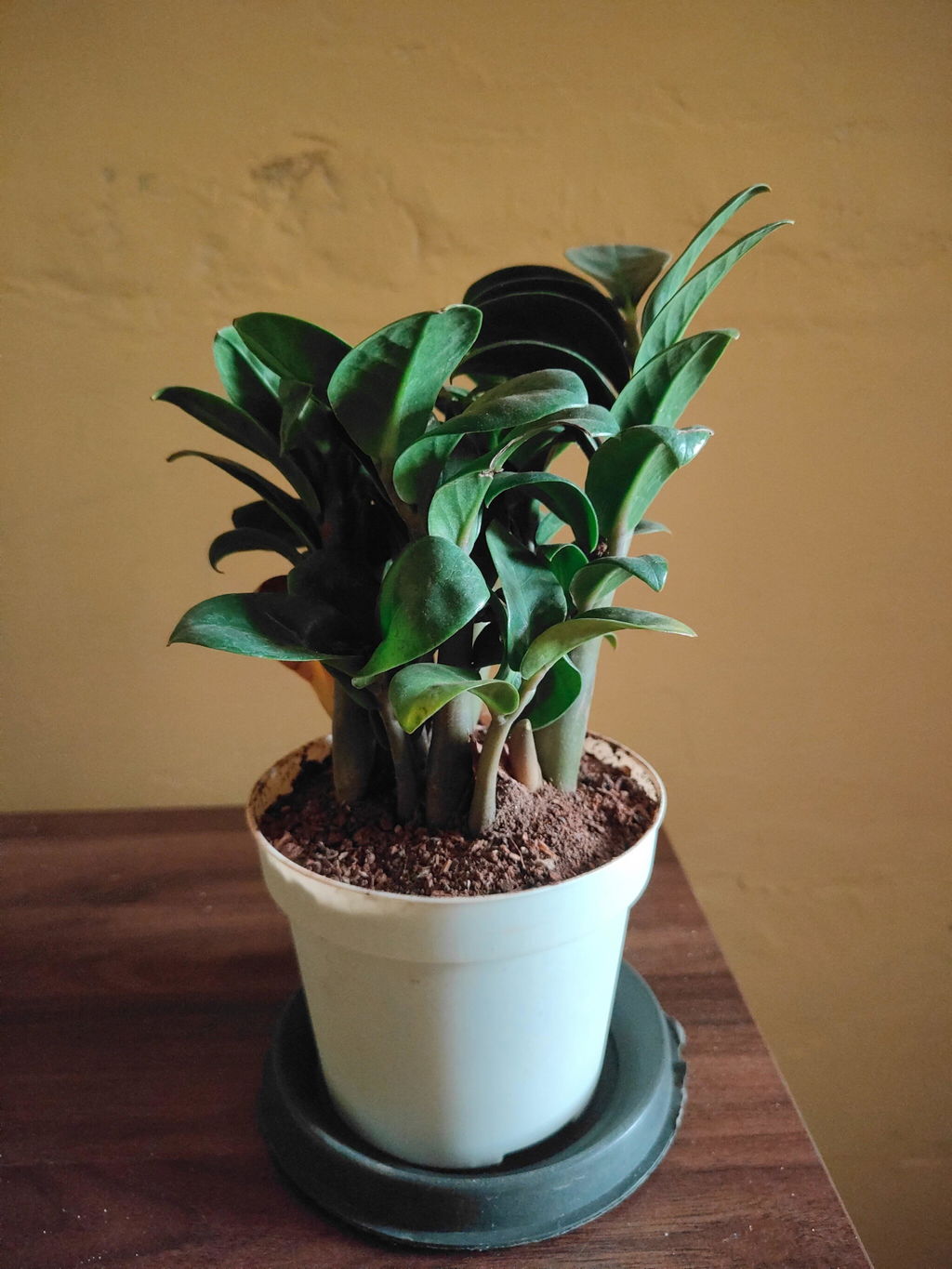
Received a healthy plant. Even though it took 9days to get delivered, the plant arrived in great condition all thanks to the packaging.

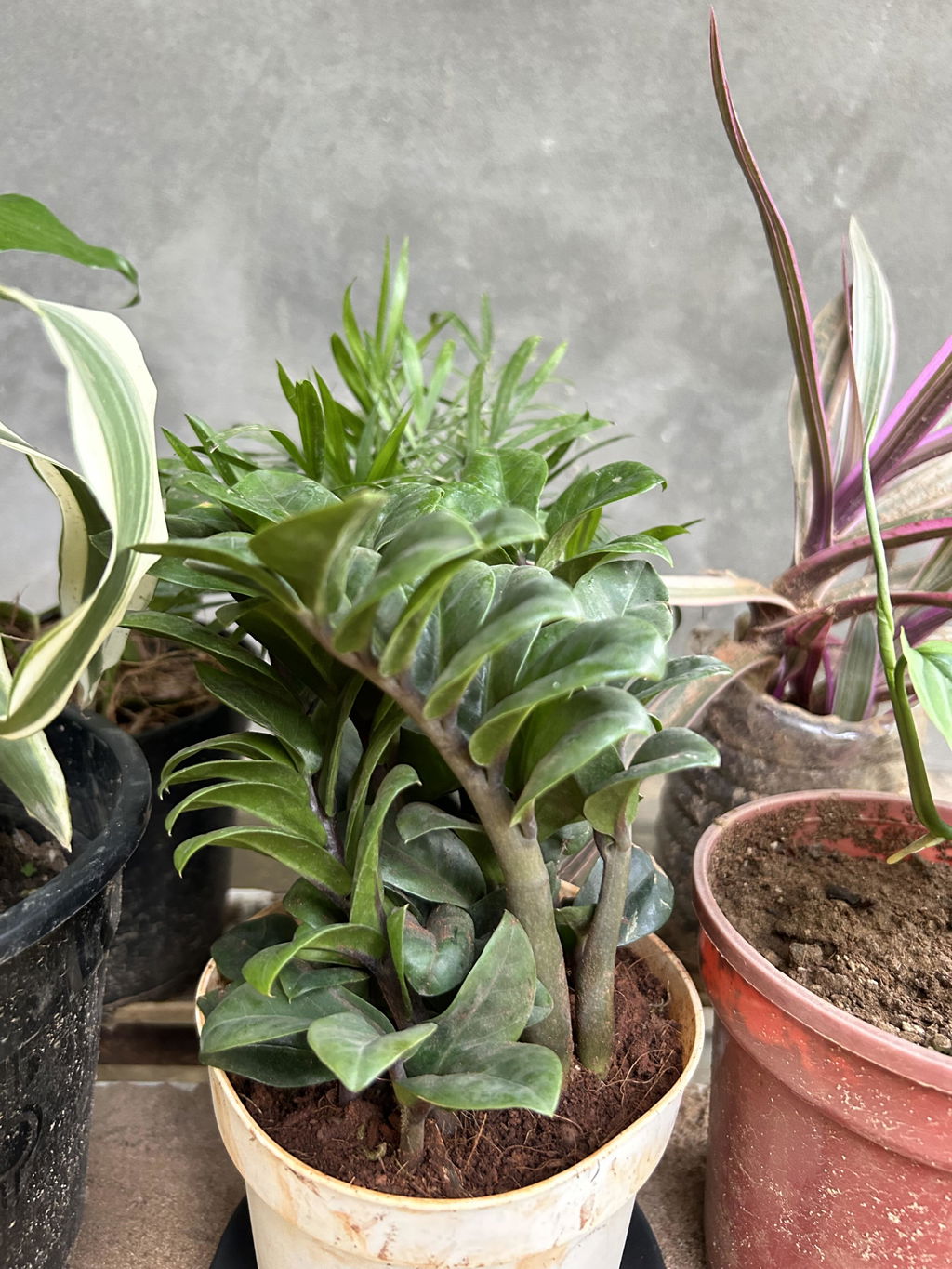

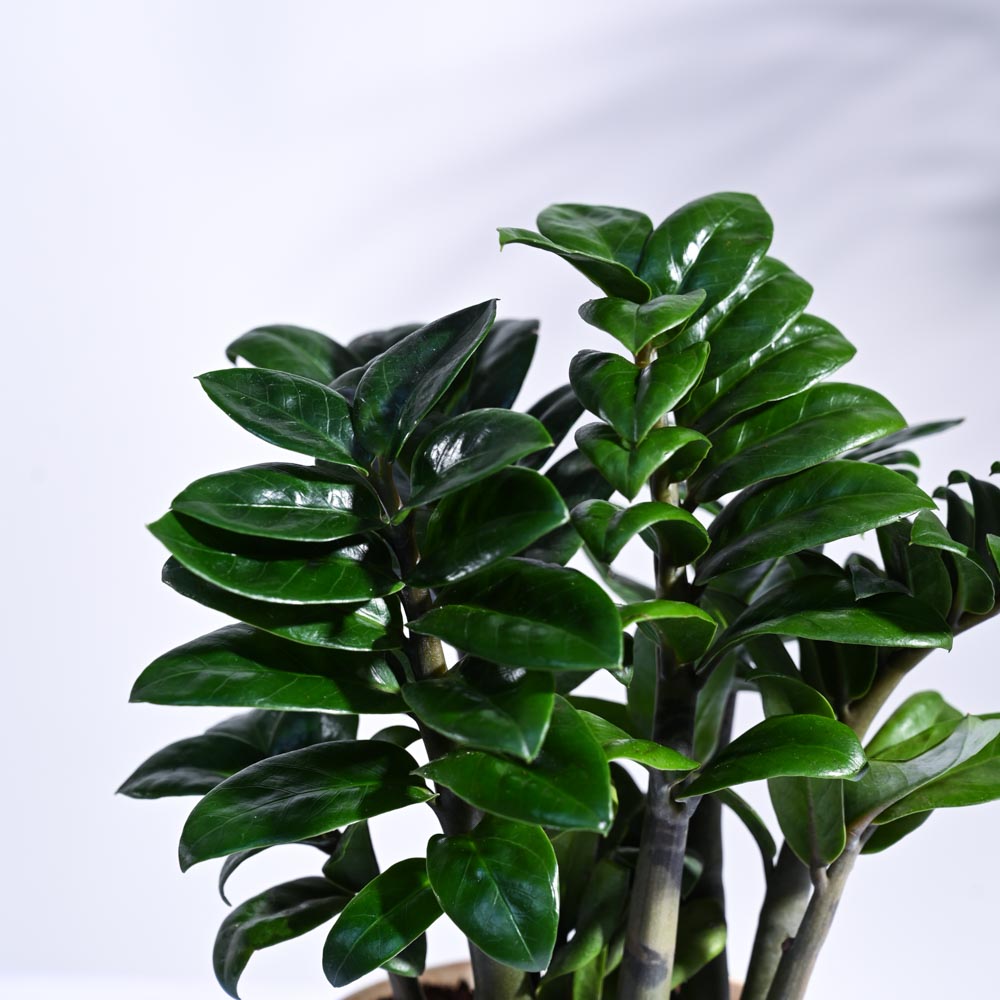
Healthy and bushy dwarf ZZ plant, which looks amazing with its glossy leaves and thick stems. Excellent delivery by Ugaoo. Very nice experience!
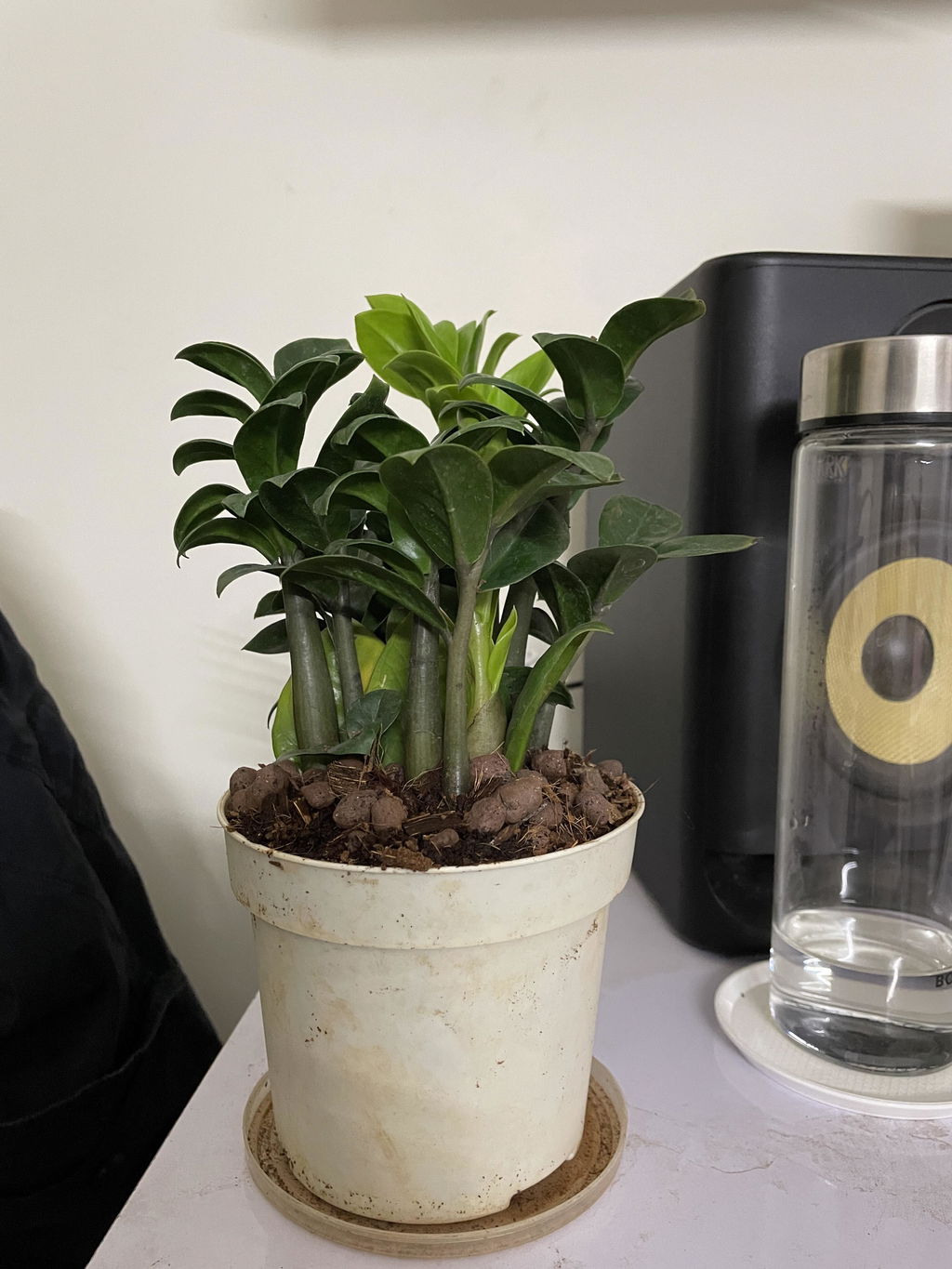
I bought dwarf zz few months back.First of all o received very good quality plant and after all this month it's doing good even few new branches are coming. I just love the plant. And of course ZZ plant is my one of favorite plant.
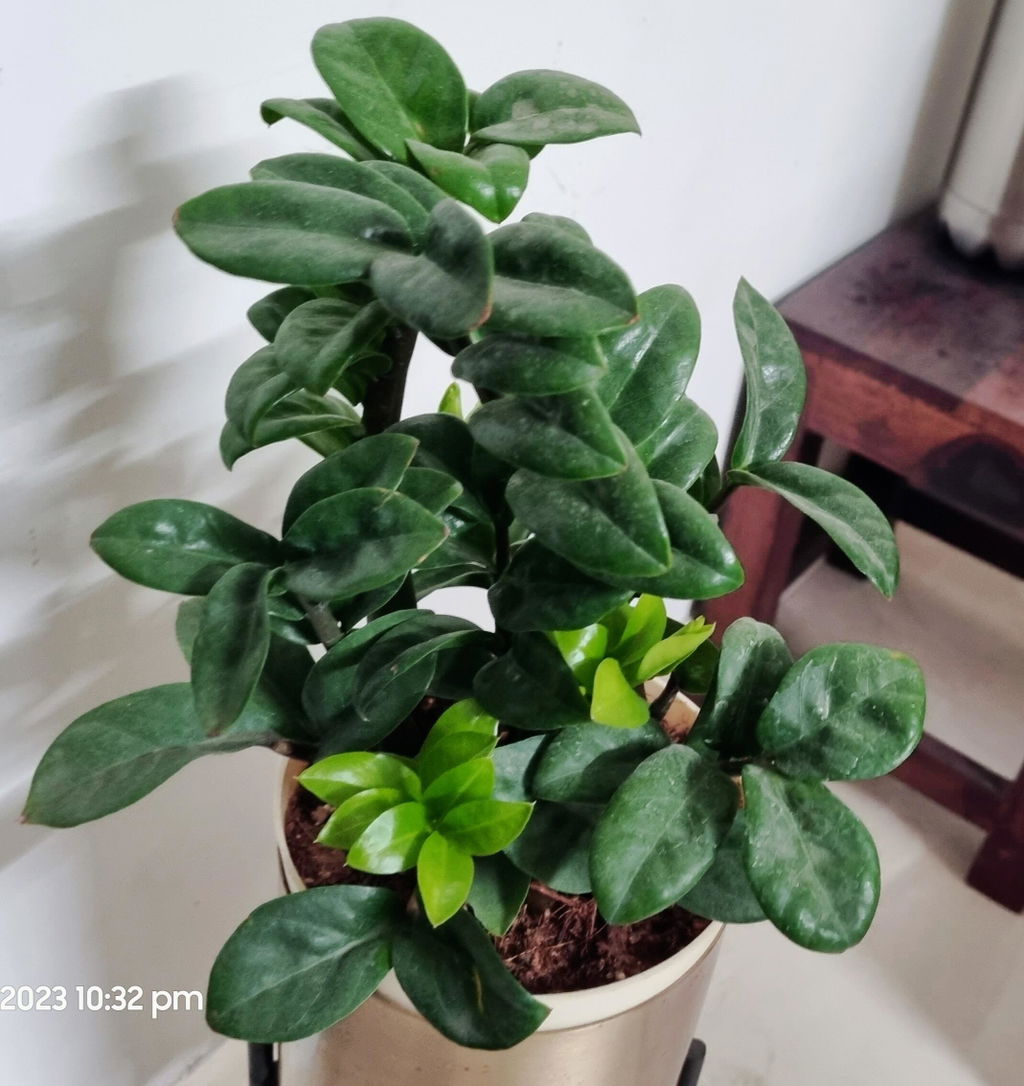
Nice plant
I want to thank Ugaao for the plant. First of all, the plant is so healthy, was not overloaded with soil to crush the roots and bulb. I was so very happy to see the roots, leaves and buds growing. I repotted it safely. Thank you so much for the dwarf zz plant. The best quality anyone can buy online!
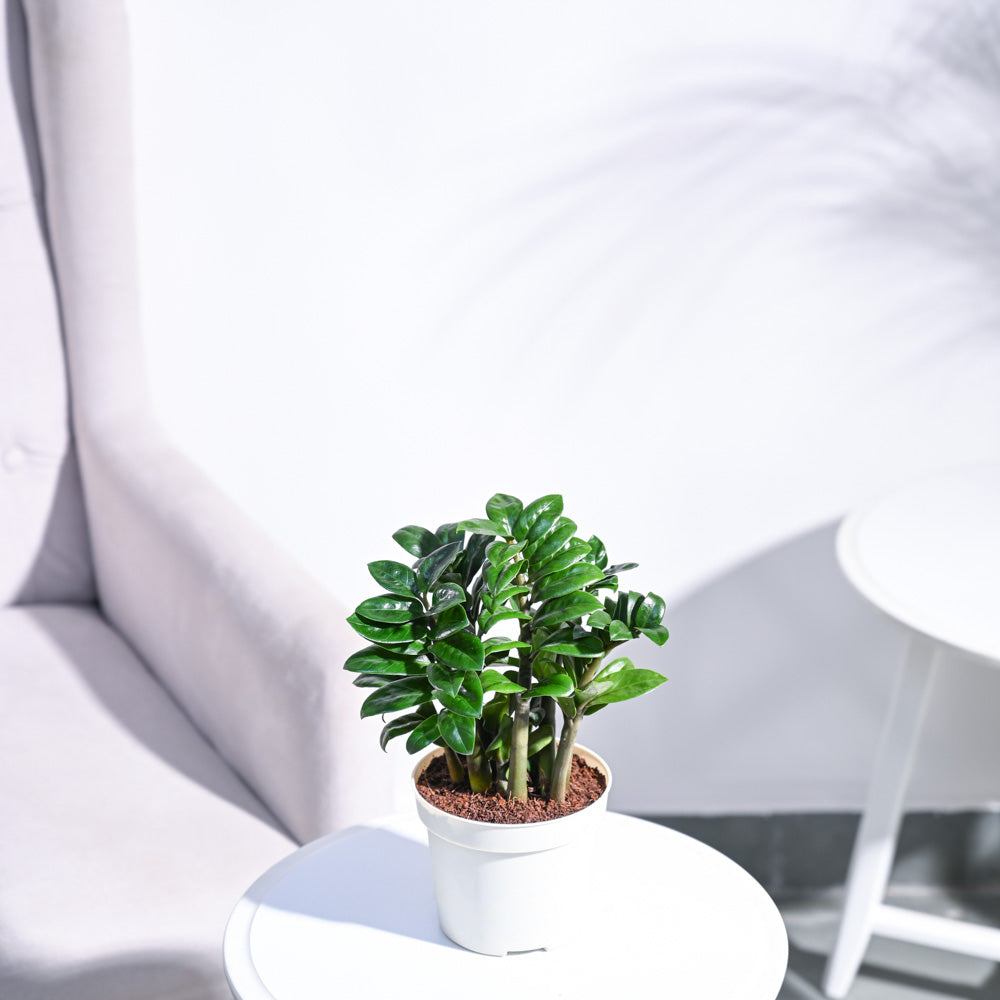
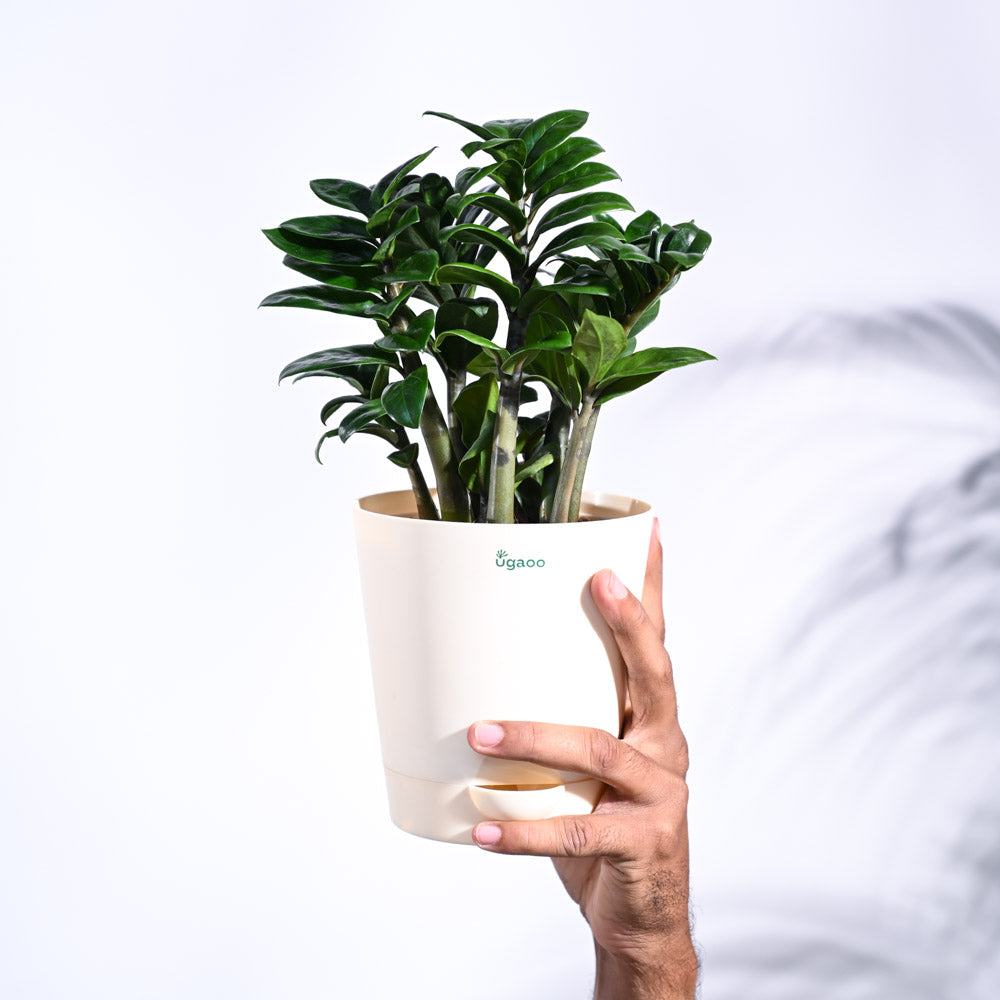
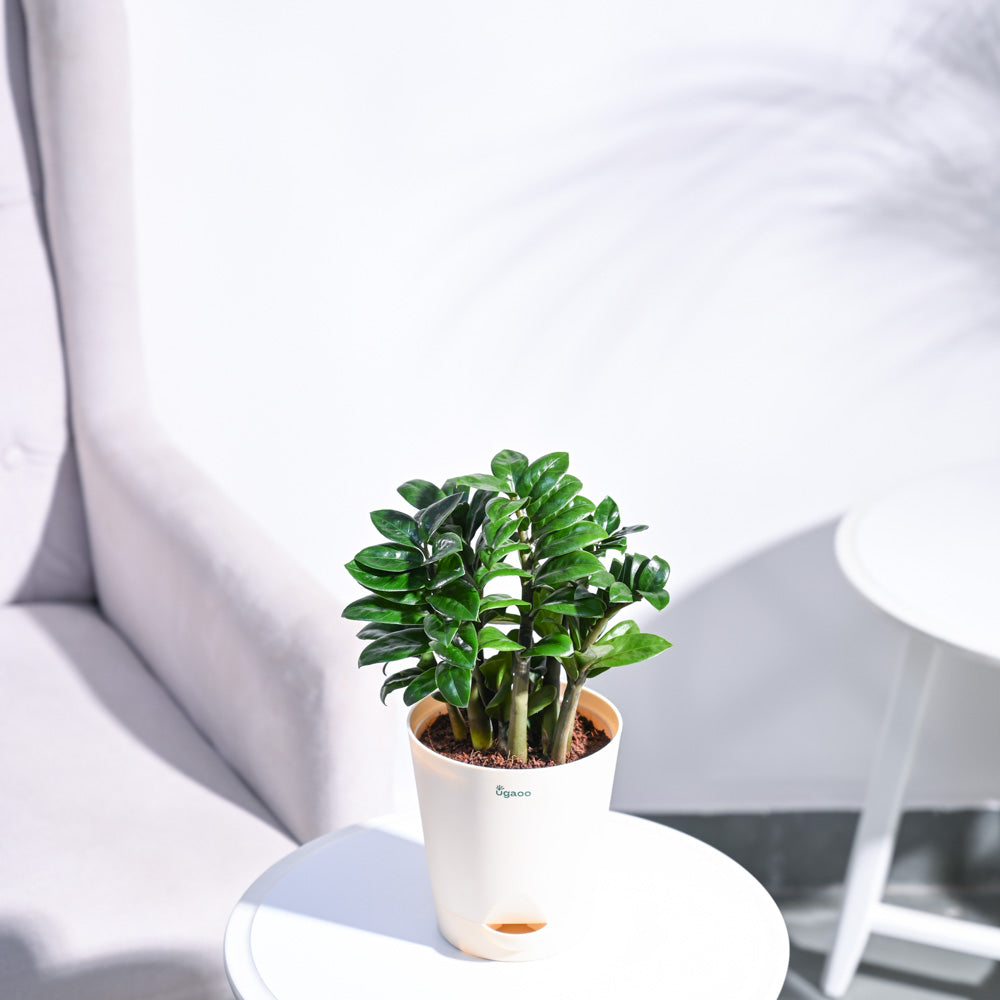
same as that what is shown in the picture. Green and fresh
Plants are received in a very good condition
The plant arrived fresh and healthy, and the packaging was really safe and sturdy
Cute plant 🪴
the plant arrived healthy and with proper packaging. A good choice
Packaging and timely delivery. Also, plant is healthy.
packaging was really good and was very happy to see this beautiful plant in my collection
The plant is very healthy and lush green but the only problem is that the growpot was damaged completely also some branches were broken I know it is fault of the shipping partner but still
I was never an online buyer in plants. But ugaoo has completely doing excellent job in providing amazing quality of plants. Now i often buy from ugaoo.
Plant has received good in condition,its really lovely plant.
Excellent delivery by ugaoo..Healthy fresh plant received.
Received the plant in healthy condition. And yes, it's beautiful.
Both the plants received initially were of poor quality and were damaged, I immediately reached out to the support team and they shipped out a new batch of the same plants in much better condition. I wish they would have sent it better in the first go, but the resolved the issue on time and made me happy.
Healthy plant received. Glad to receive this rare variety of zz plant. Satisfied with my purchase ☺️
It's Awesome looking plant. Looks like artificial plant.. loved it.. it's woow


FAQs
How do you pack and ship the plants?
Each plant is snugly wrapped and secured to prevent tipping. We use biodegradable packaging wherever possible, and every order is packed by hand.