





Dwarf ZZ Plant
- Regular price
-
₹599 - Regular price
-
₹599 - Sale price
-
₹599
Check Delivery
Couldn't load pickup availability
About The Product
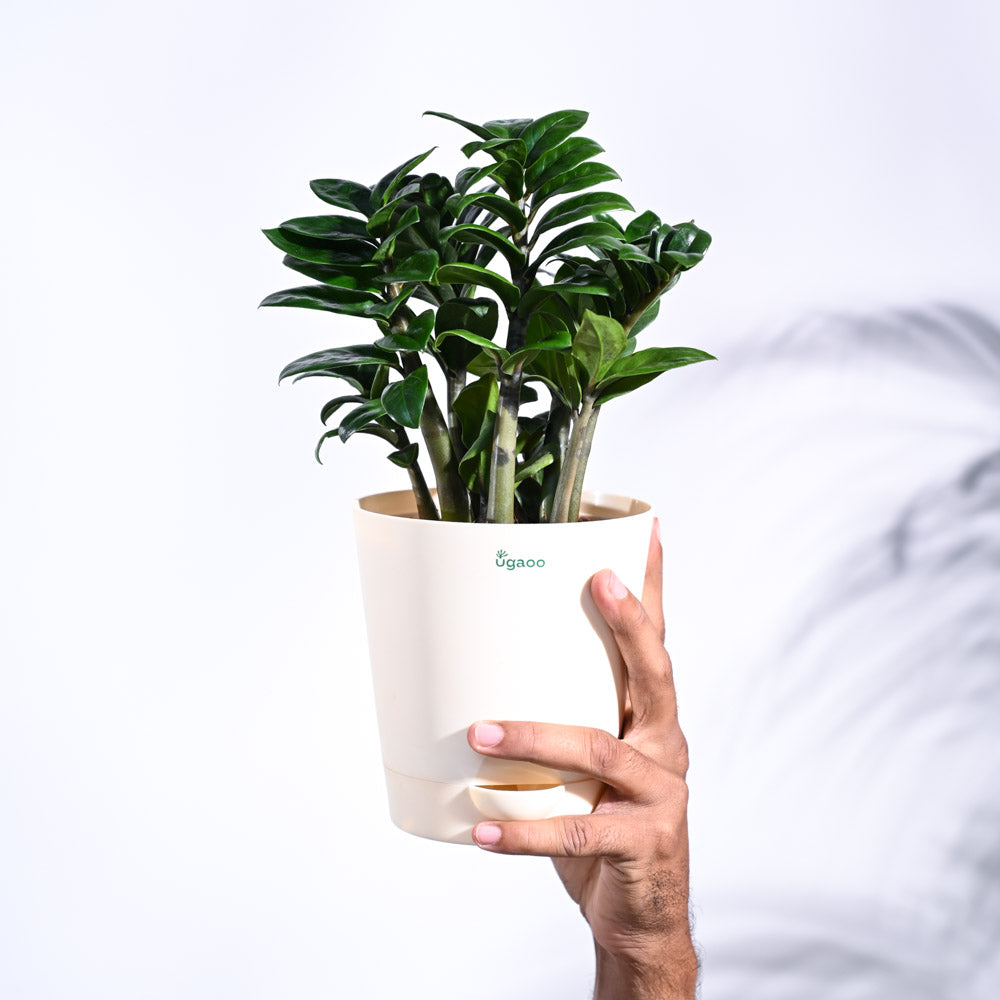
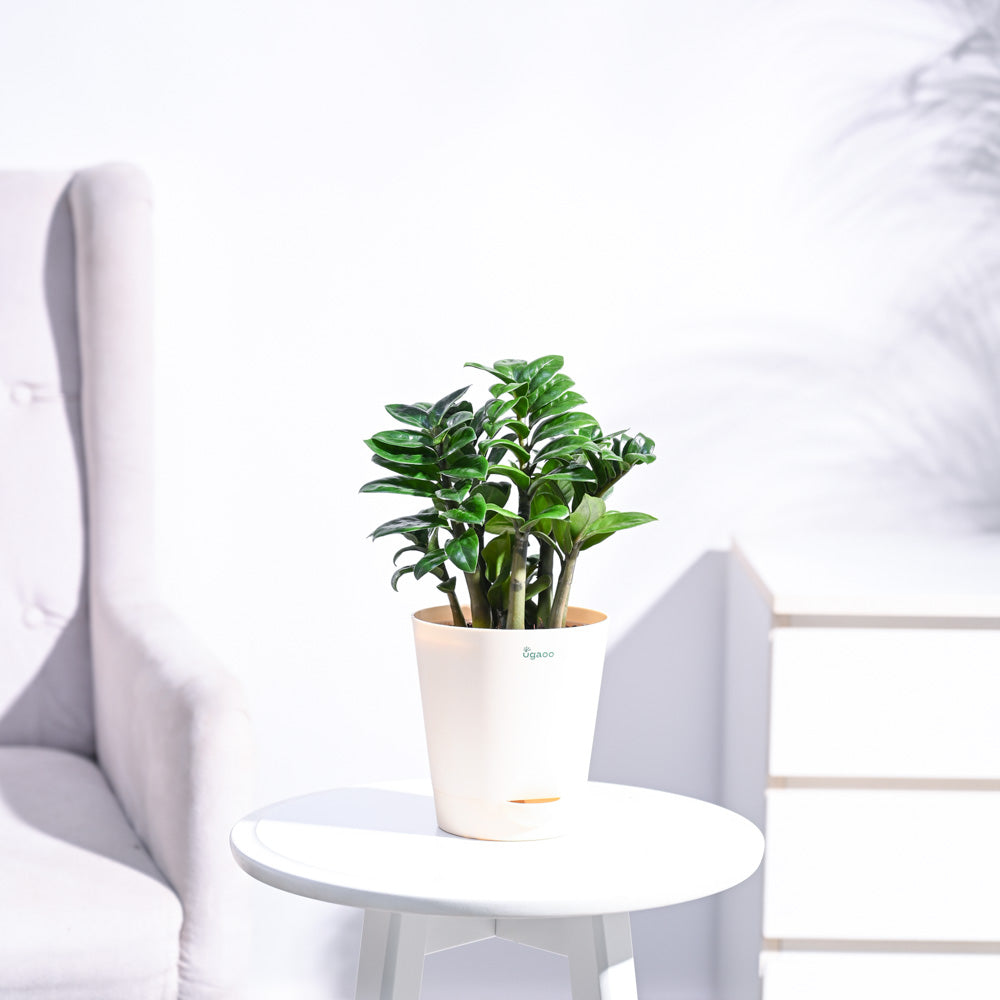
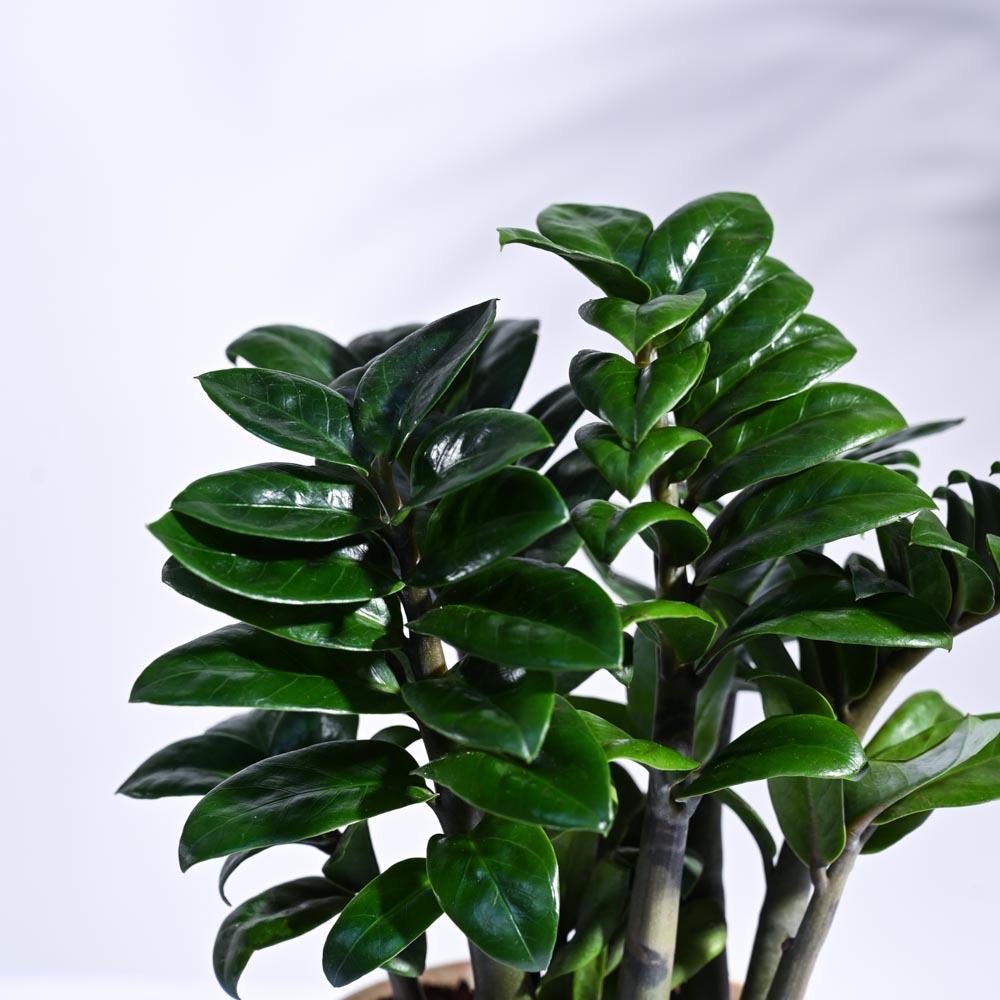
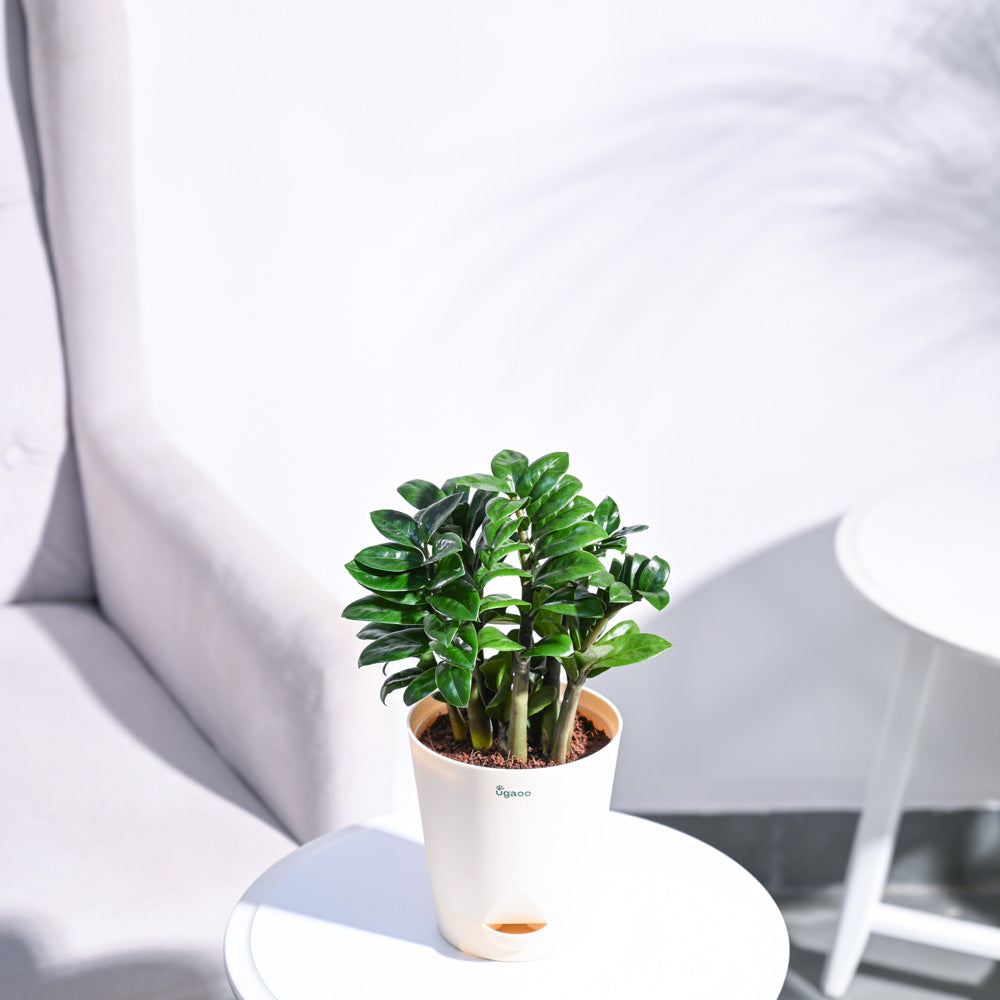
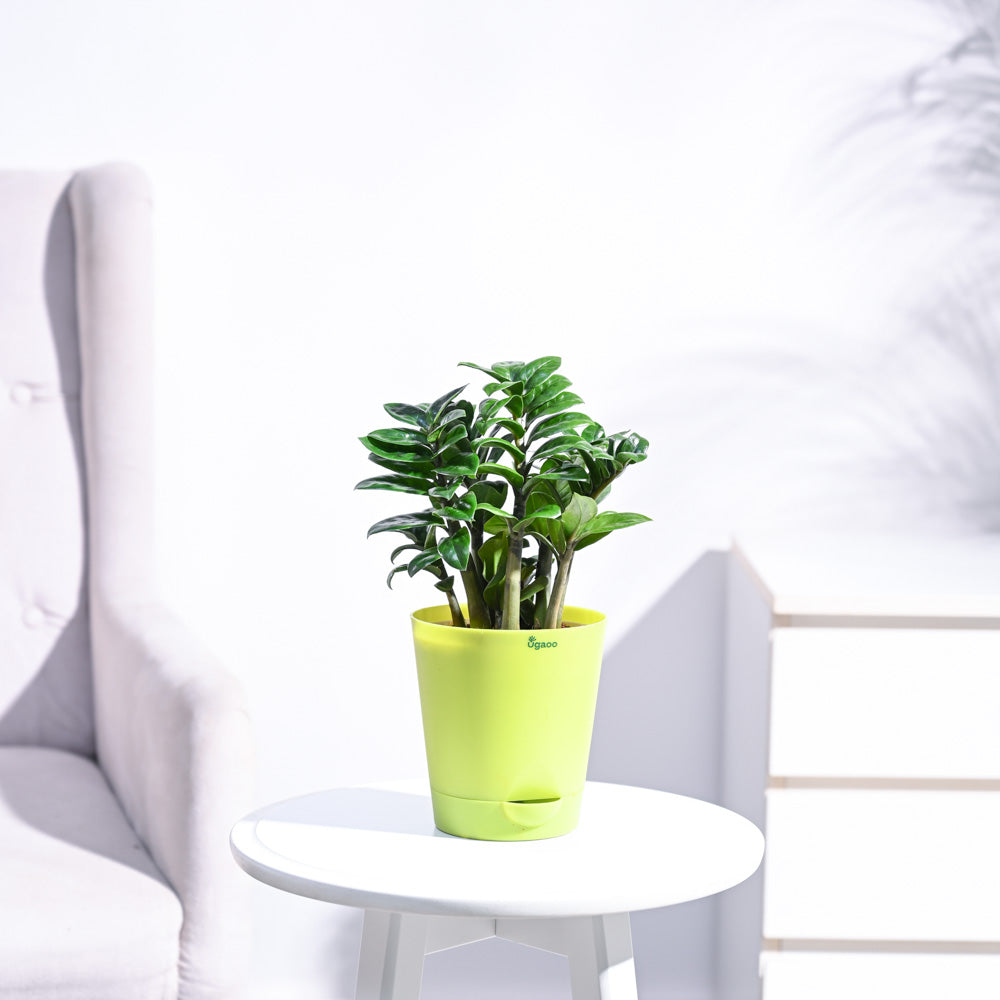
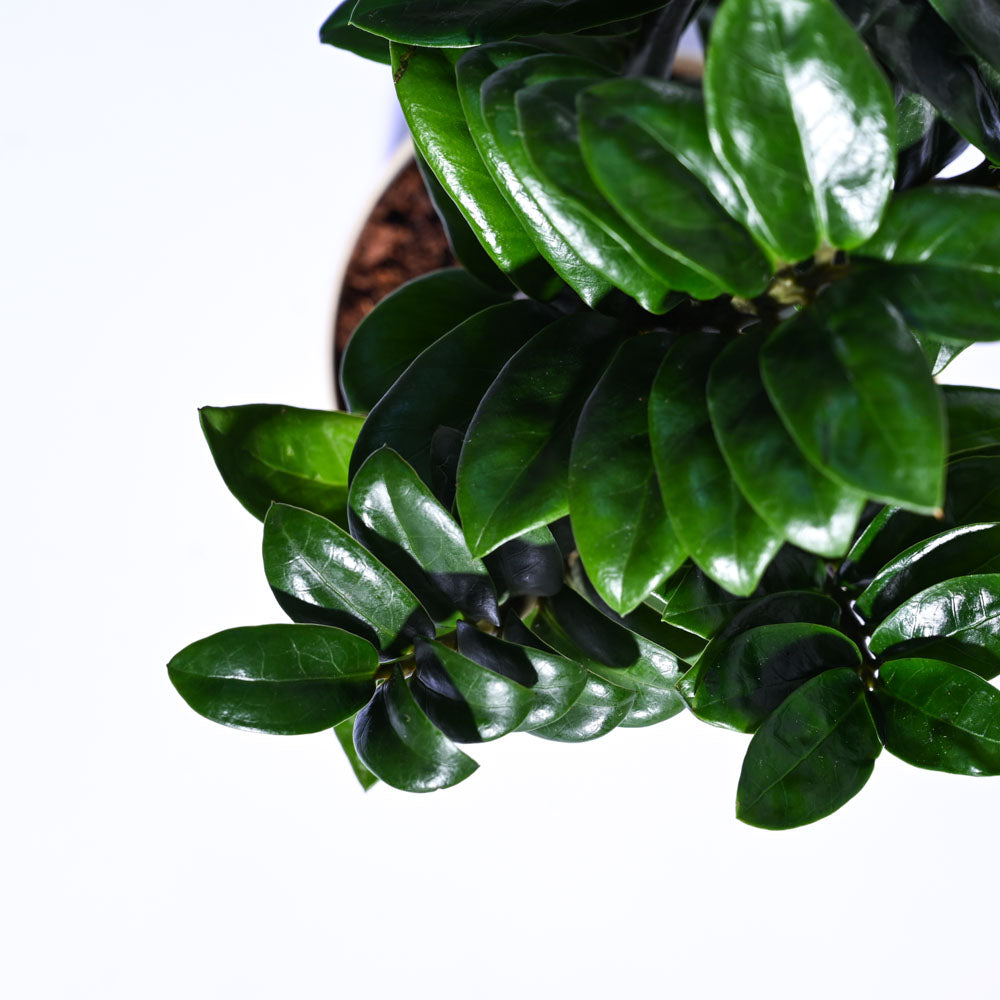
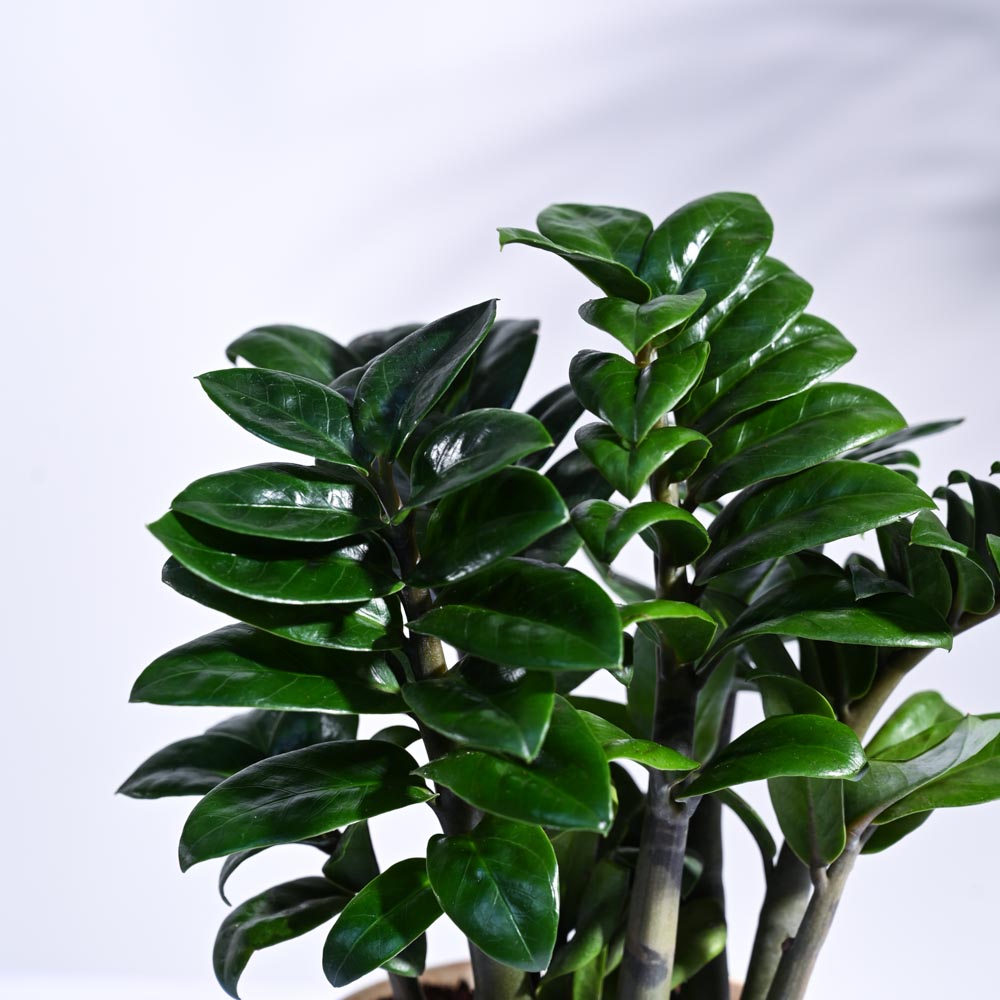
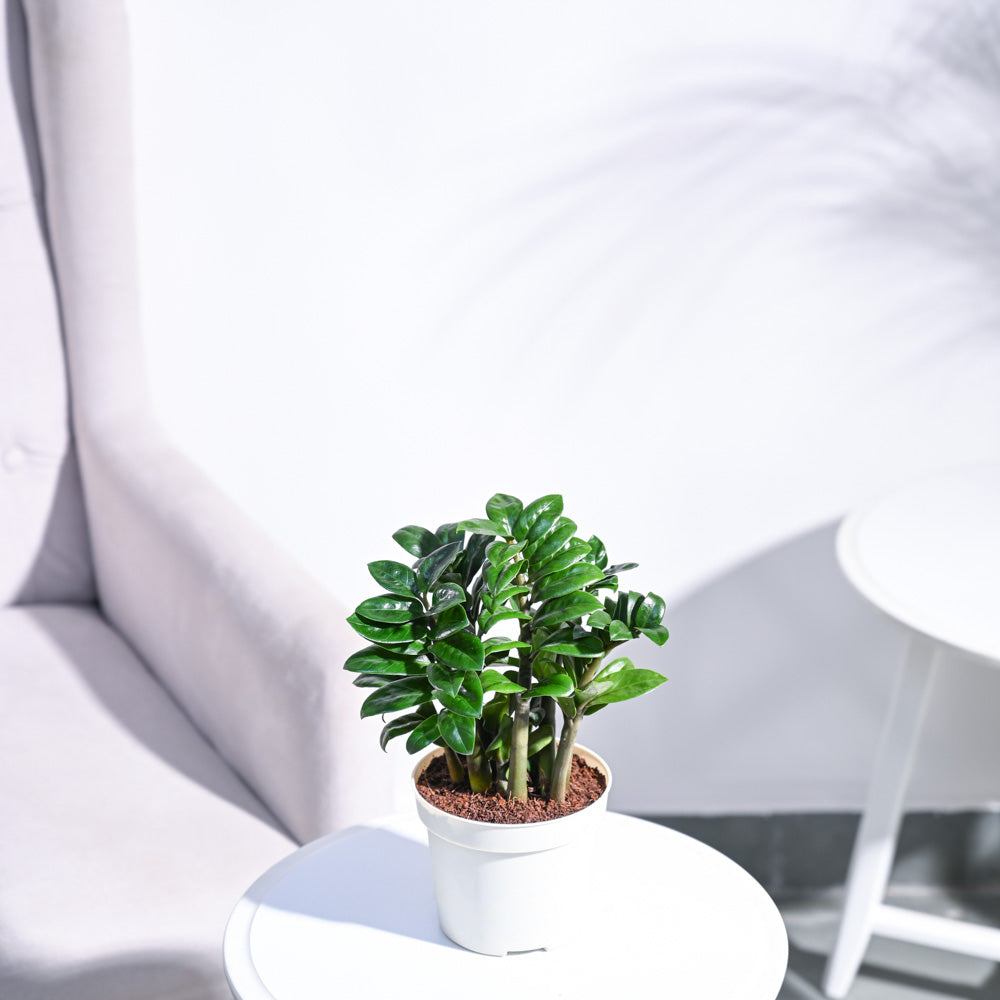
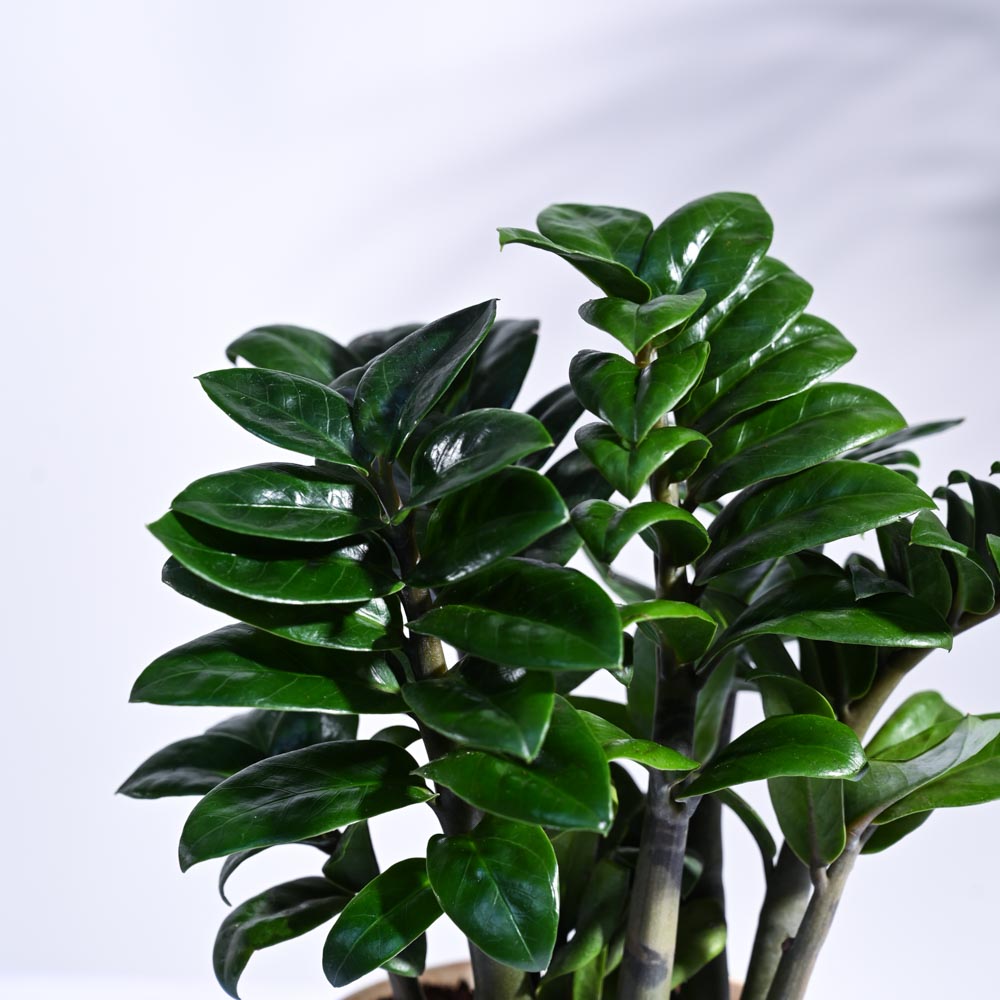
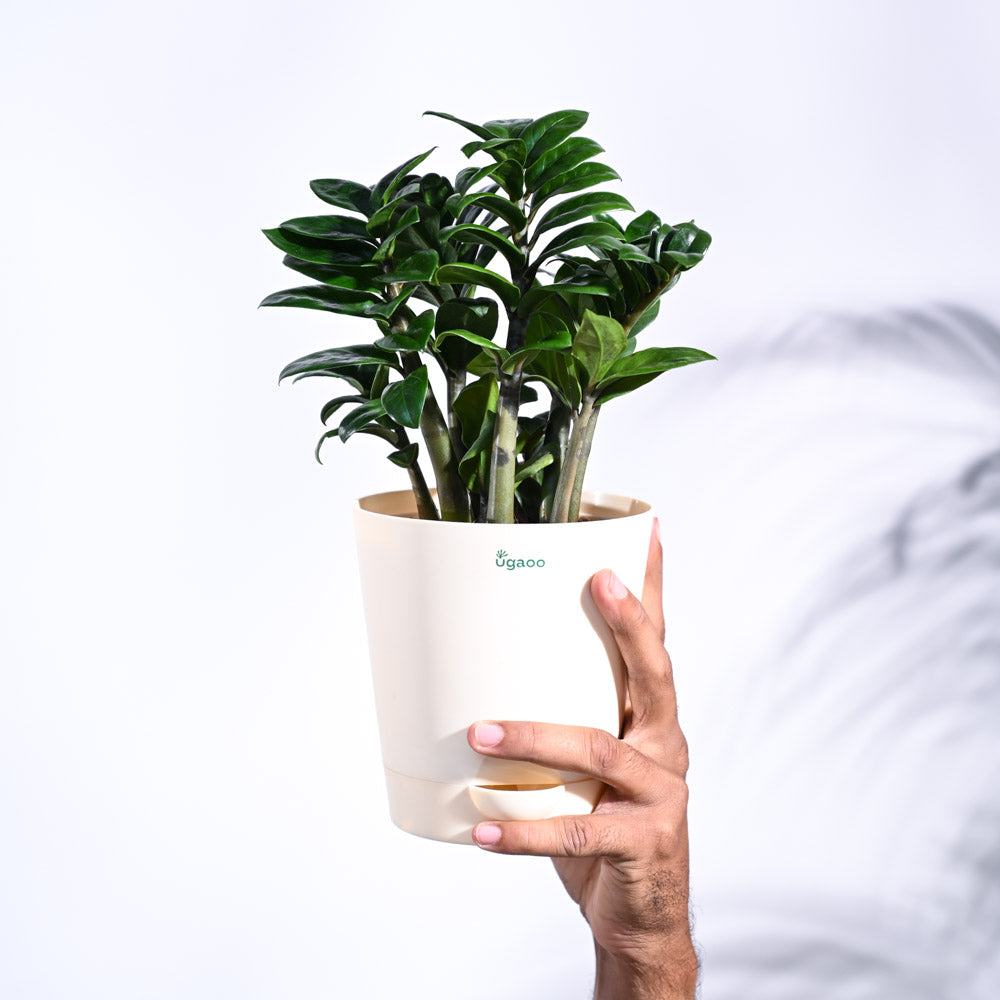
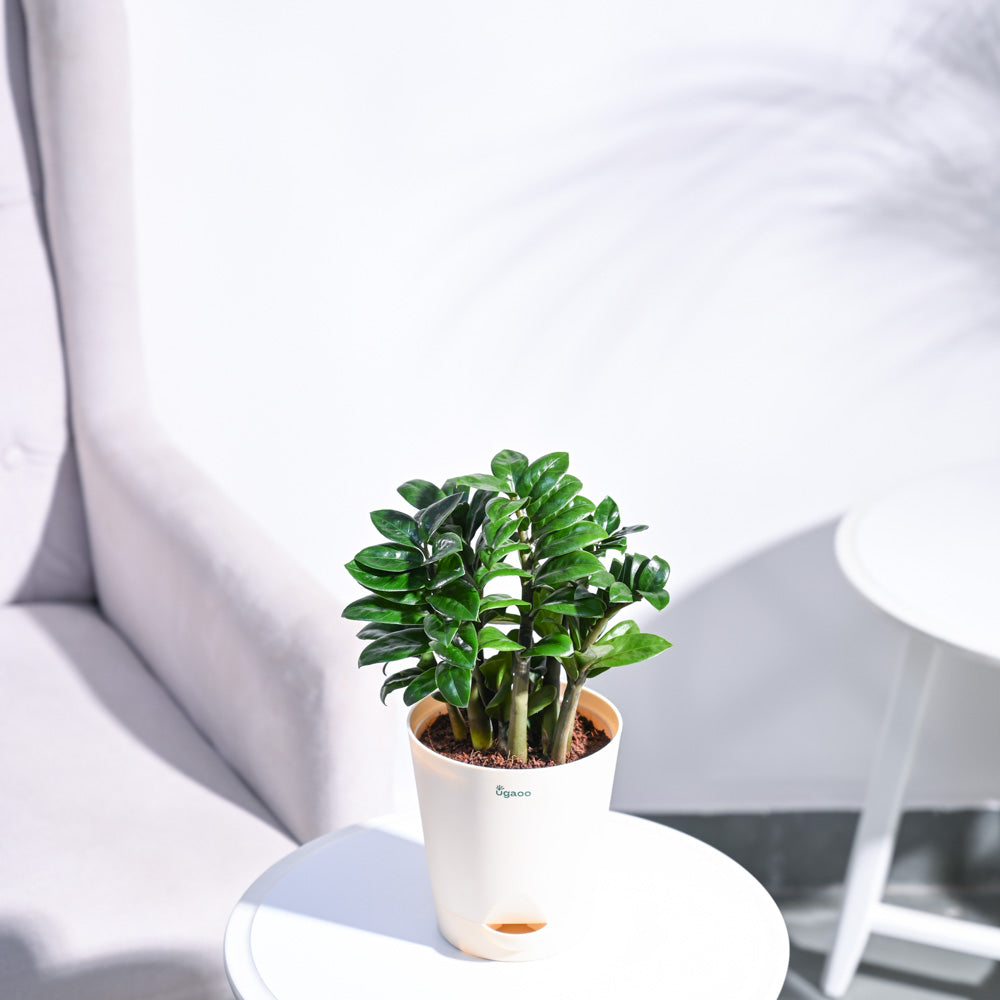
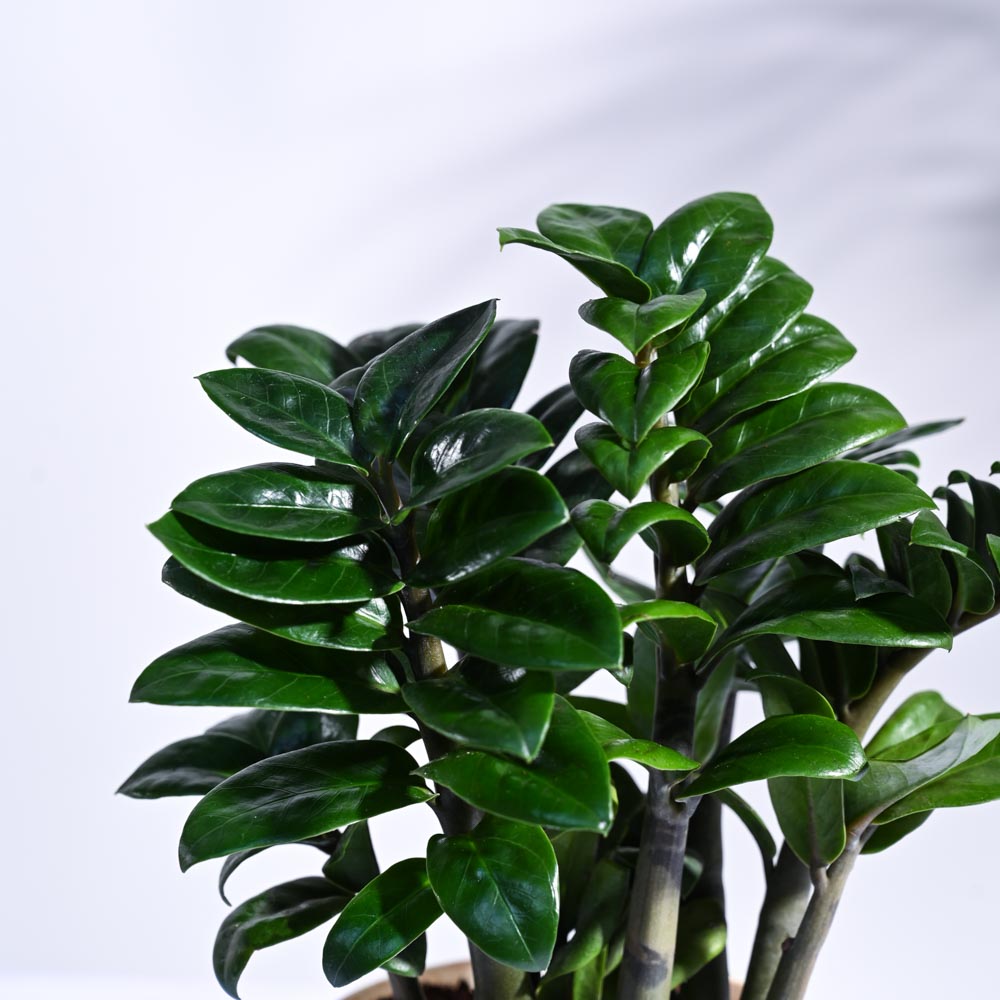
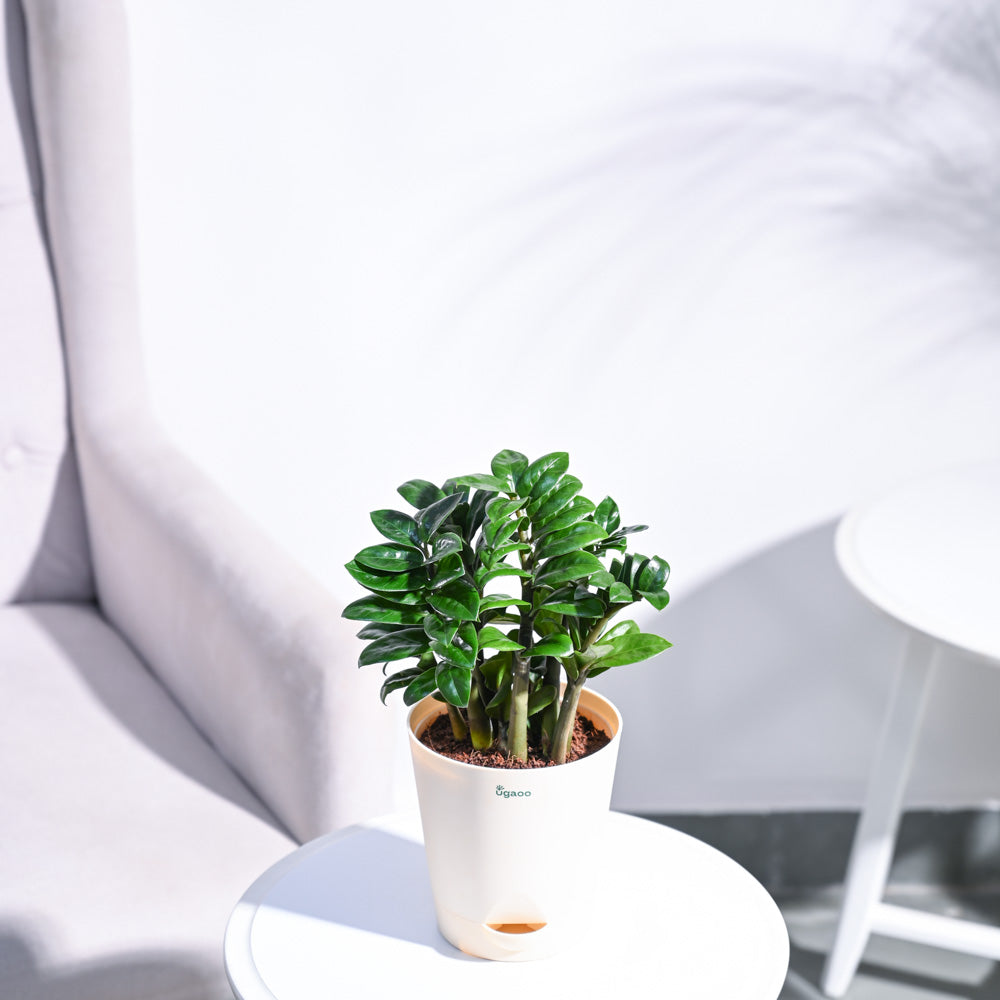
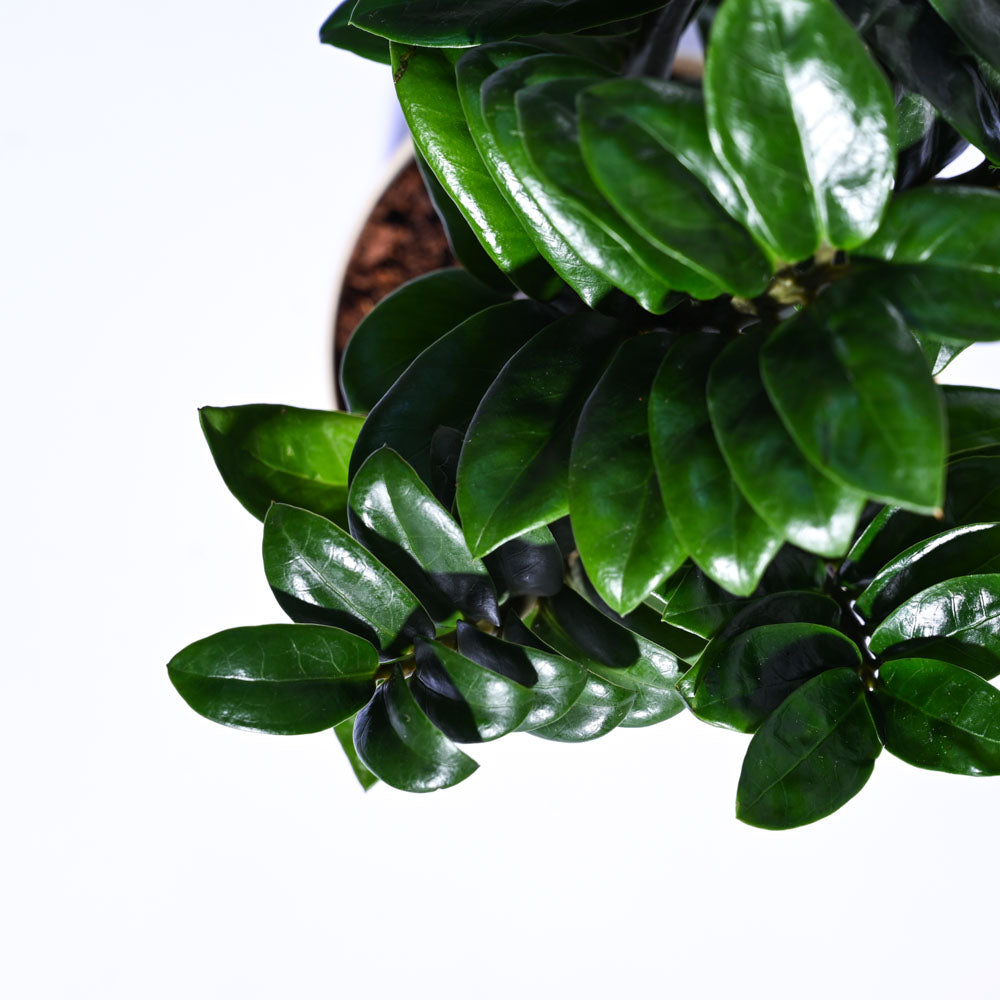
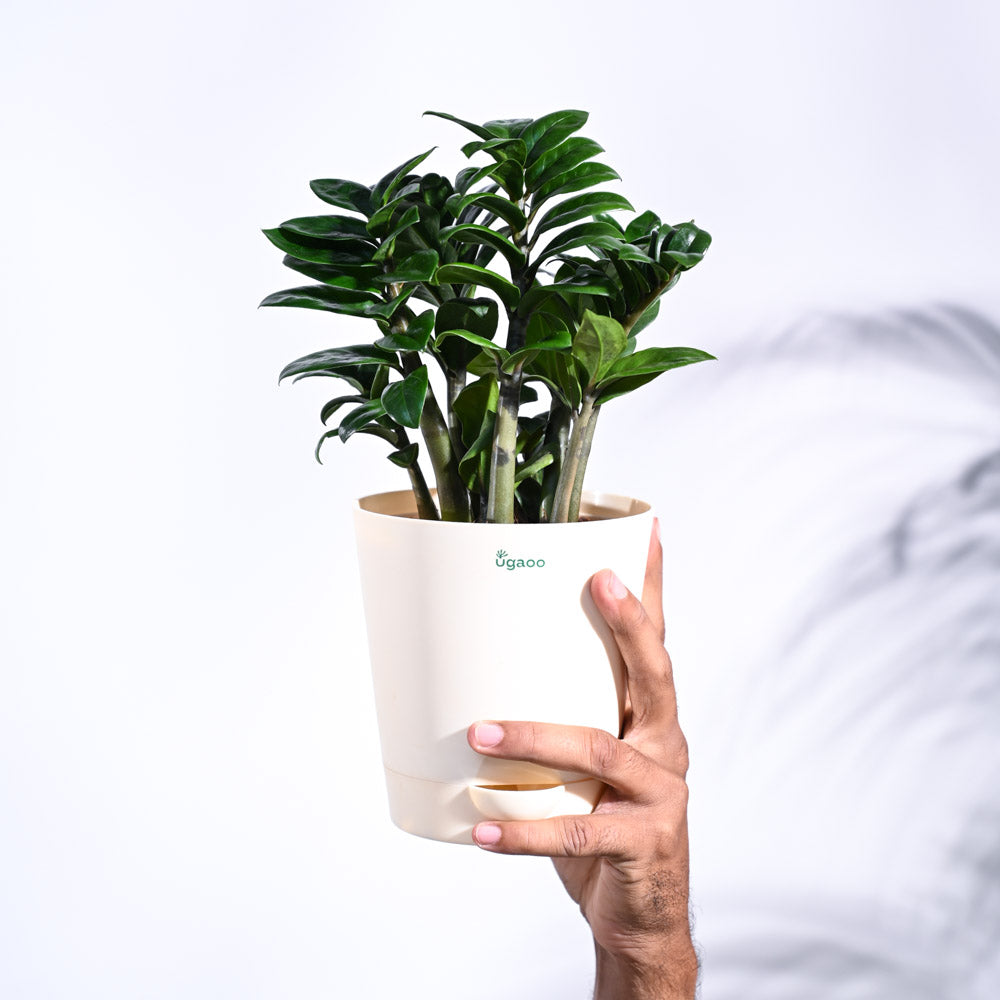
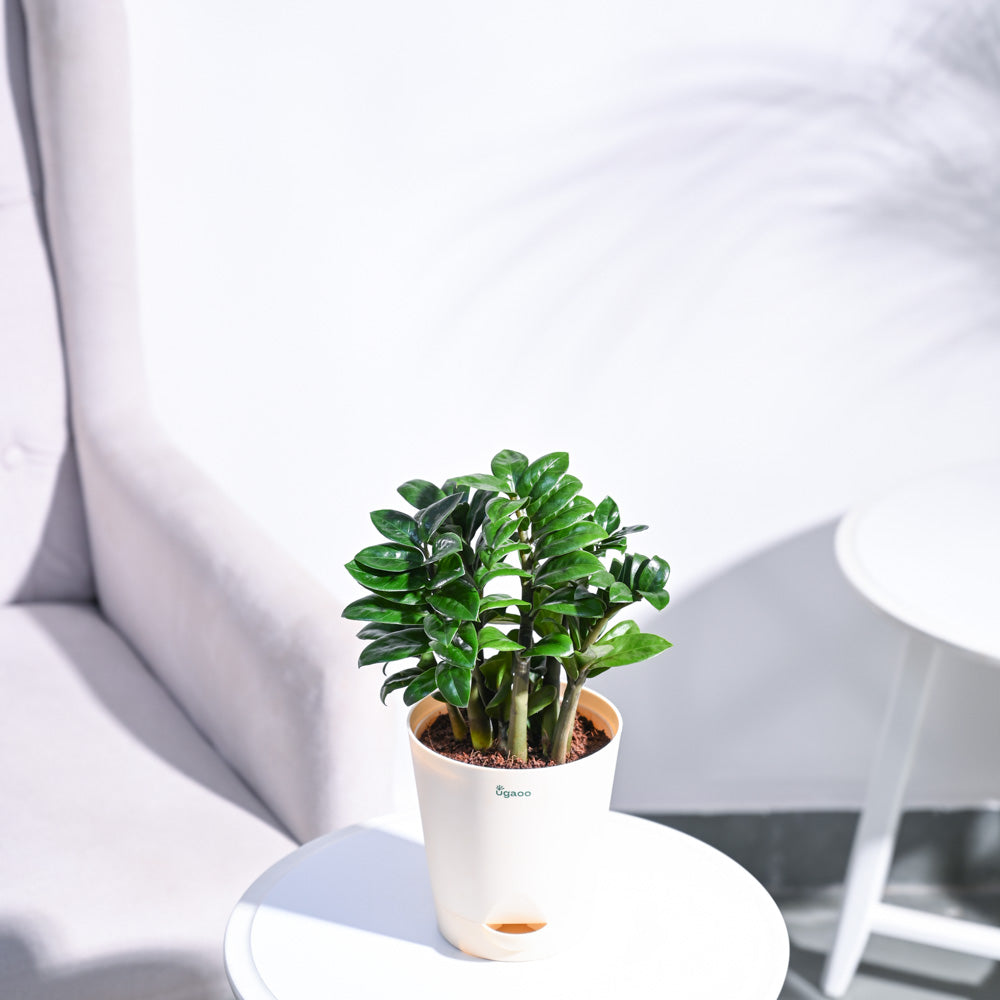
The dwarf ZZ Plant is the new kid on the block. A dwarf cultivar of the ZZ Plant with thick, compact growing nature and very dark green leaves. This stunning and exotic houseplant is absolutely perfect as a desk plant, guaranteed to lighten the mood. The Zenzi is also a perfect fit for your bedrooms and corridors that don’t get much light. What’s more, they are the perfect size for a gift.
 Water once in two weeks

 Needs low light

 Keep out of pet reach

 Needs Gardening experience



















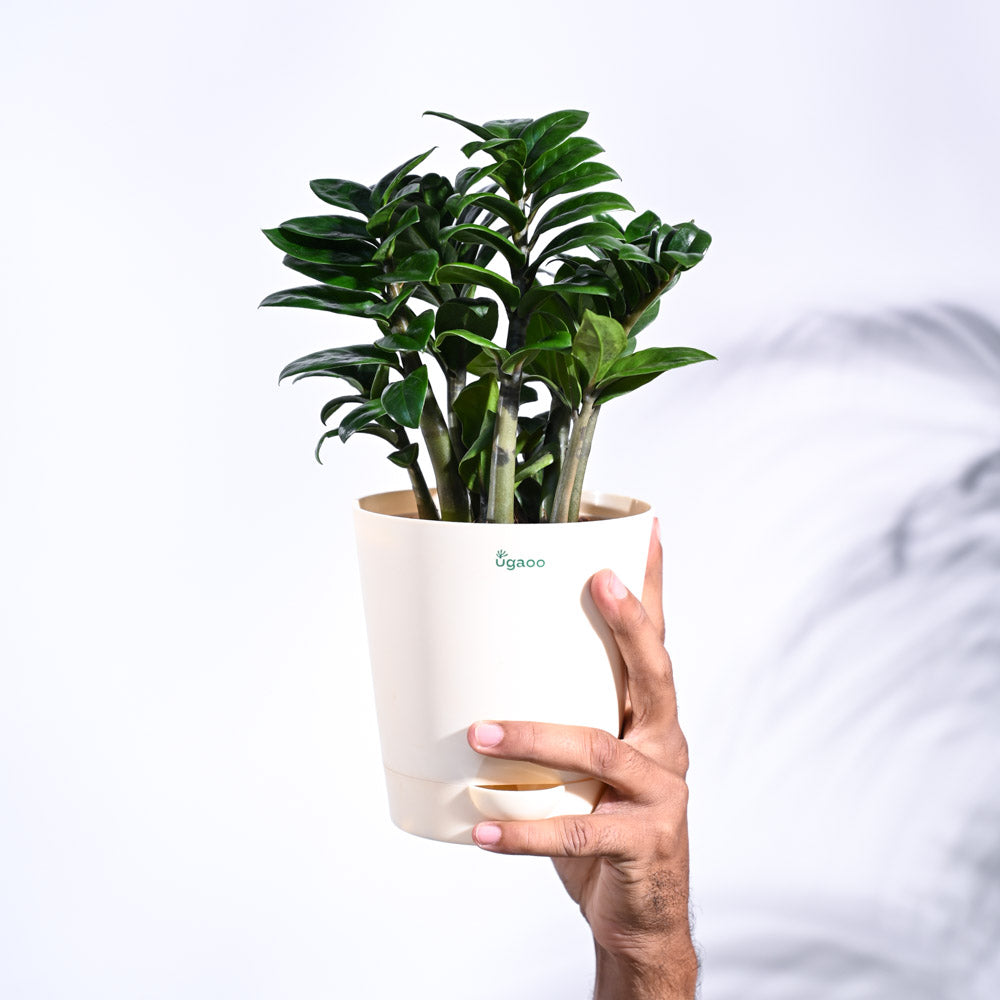
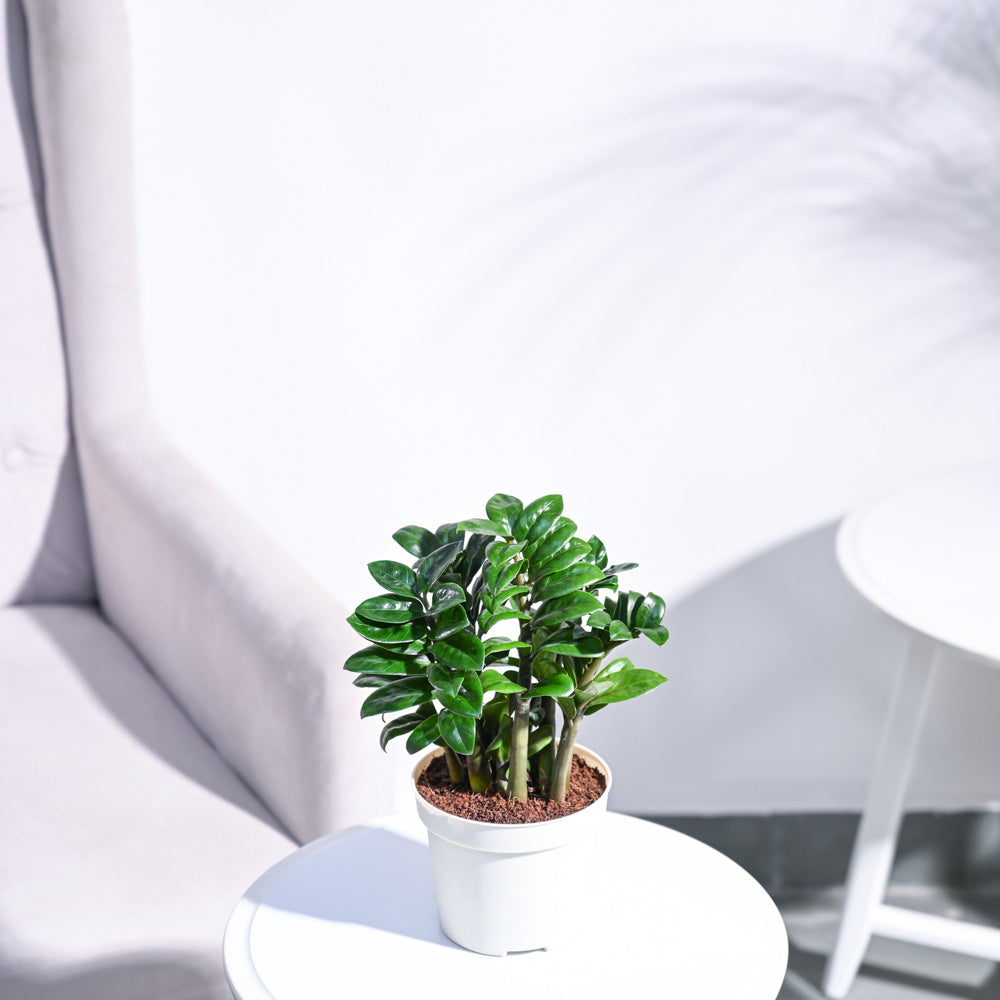
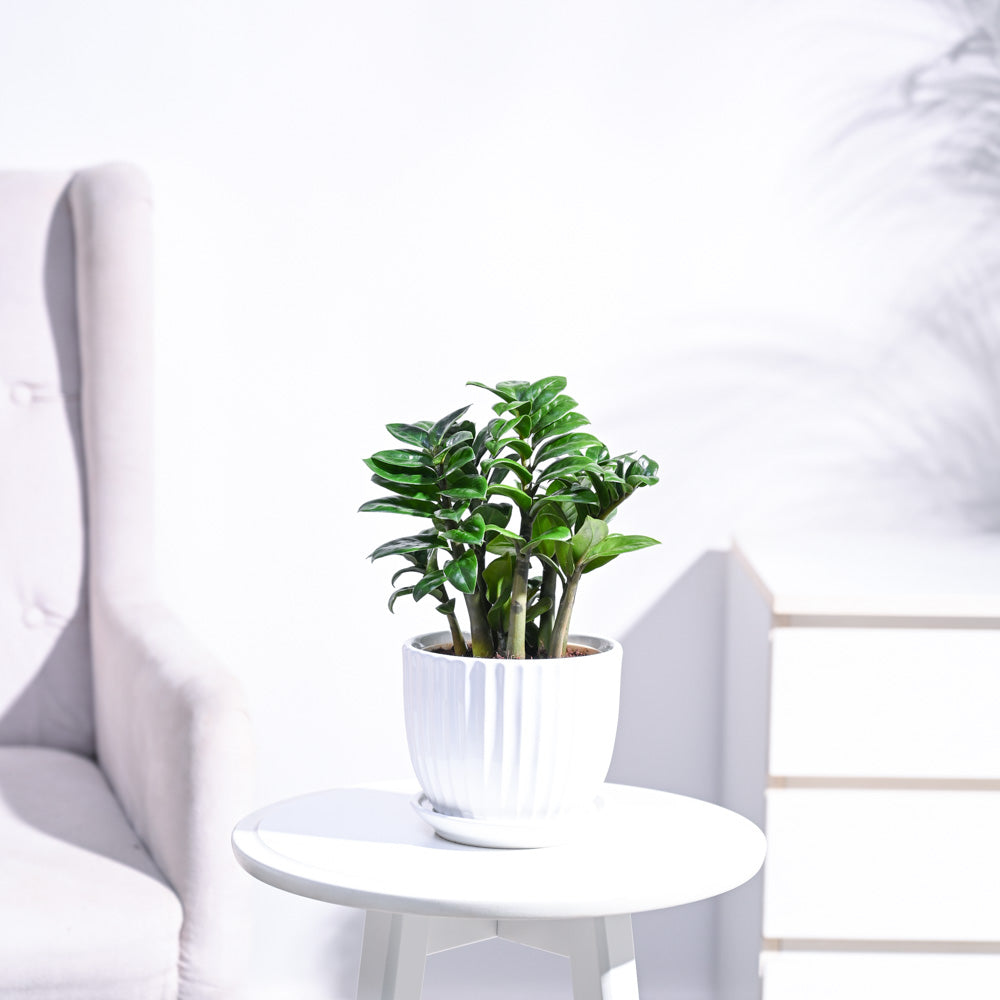

Light Guide


Product Specifications
| Name | Dwarf ZZ Plant |
|---|---|
| Category | PLANTS |
| Country of Origin | INDIA |
| Marketed by | Ugaoo Agritech Pvt Ltd, Plot No. 90, Floriculture Park, Ambi, MIDC, Talegaon Dabhade, Maharashtra 410507 |
| MRP | ₹599 (Incl. of all taxes) |
| Net Quantity | 1 |
| Manufactured by | Ugaoo Agritech Pvt Ltd, Plot No. 90, Floriculture Park, Ambi, MIDC, Talegaon Dabhade, Maharashtra 410507 |
| Customer Support | Email : support@ugaoo.com Call: +91-9129912991 |
From Happy Plant Parents
After receiving this plant (𝑴𝒐𝒏𝒔𝒕𝒆𝒓𝒂 𝑫𝒆𝒍𝒊𝒄𝒊𝒐𝒔𝒂),the plant was mature, tall as promised with a healthy growth...it was well hydrated and full of node. The packaging was great... Thank you @ugaoo for this delightful Monstera.. I'll be happy to buy it again.

It was always wonderful experience with ugaoo plants what they show is what customer receives always And that is too big thing to manage packaging and quality Love for ugaoo foundation will remain infinite.

Ugaoo is a brand that's synonymous with trust.. you know your plants will have a long life once you buy from them, not only because their plants and seeds quality is good, but they handhold you through every small part of the lifecycle.. they are my plant buddies for life... Whether i buy online, from The Jungle, whether i buy jade or mooli seeds... Whether i chat on insta or attend their online classes, or request for a return... each and every member of the ugaoo family speaks the same language... That of love- for the customer and for plants.. i am so glad ugaoo is in my life.

During covid, all deliveries became online. food,plants , groceries..wait..plants? Who would have thought?..well..Ugaoo did and is best at it. They make sure that we get the greenest and lushest plants so that we can love & care for them as they do. Their delivery containers are not only functional but aesthetically pleasing too. I personally am in love with their service and would totally recommend it to anyone who wants to make the first step in making their home a jungle.
