



Alfalfa Seeds (Lucerne Grass)


Alfalfa Seeds (Lucerne Grass)


Offers for you:
Get 10% off on above ₹999
DIWALI10
Copied!
Free shipping on all orders above ₹499
Offer applied at checkout- Regular price
-
₹330 - Regular price
-
₹330 - Sale price
-
₹330
Inclusive of all taxes.
Tax included.
Couldn't load pickup availability
-
Hurry, only 1 item left in stock!

Delivery estimate
Product Details
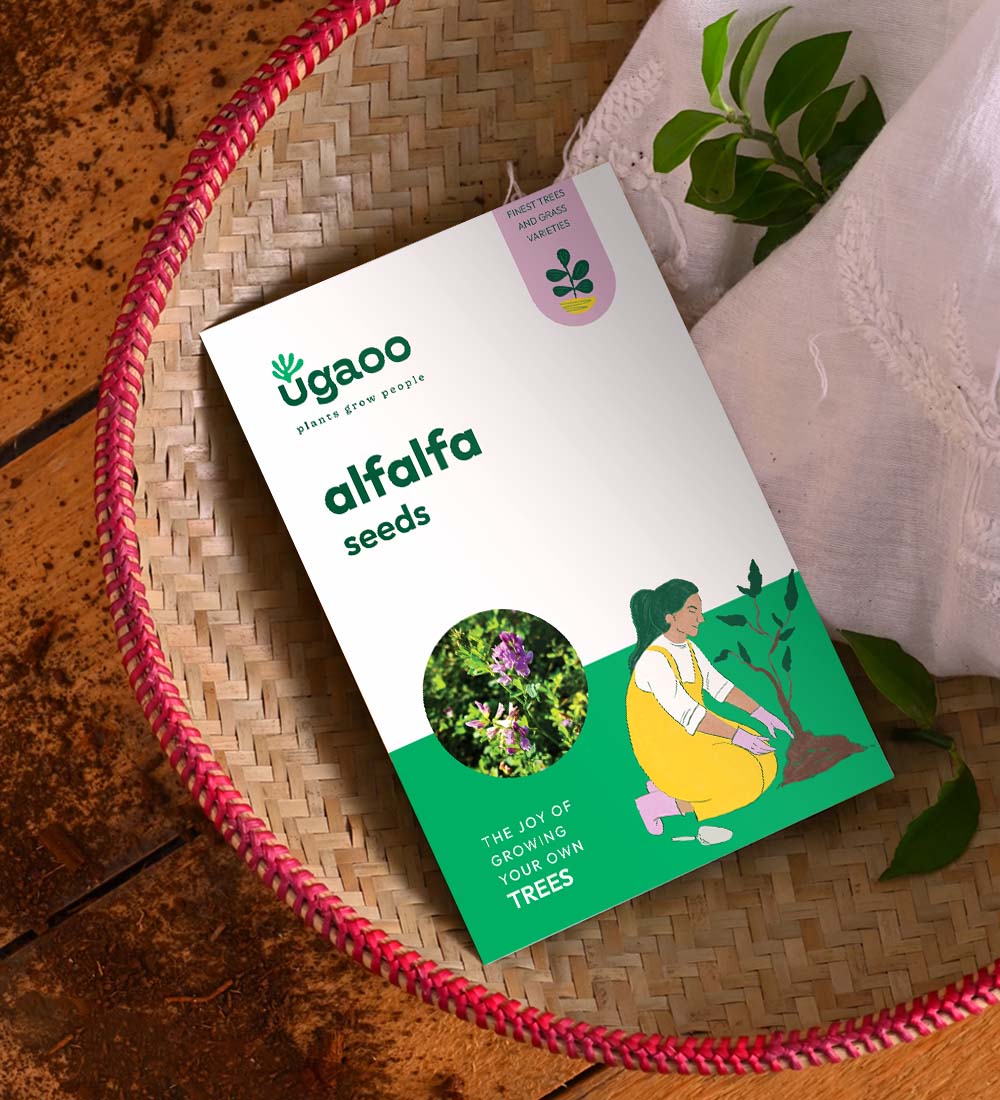
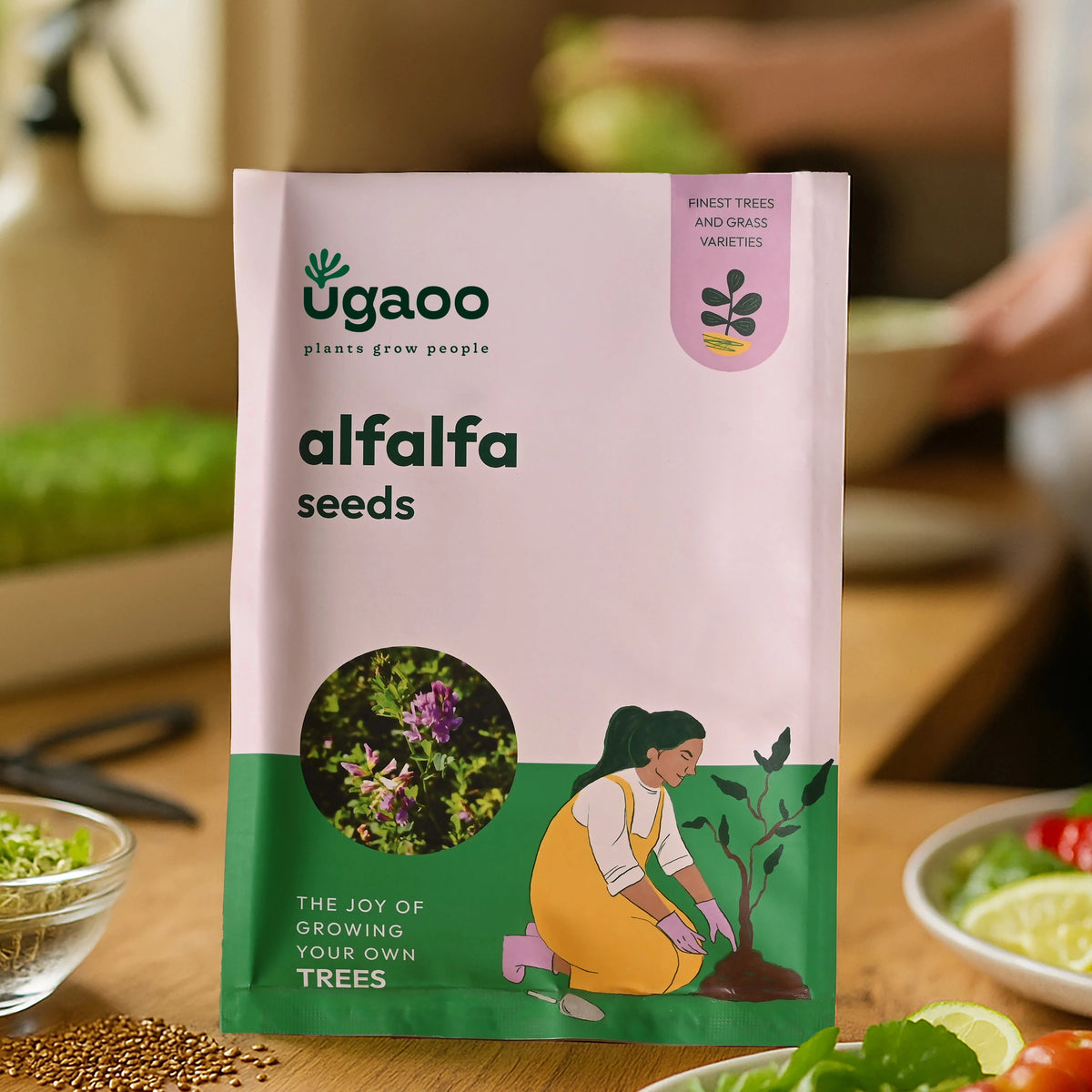
Alfalfa (Lucerne) is one of the most nutritious plants you can grow at home. Whether sprouted in a jar on your kitchen counter or grown in a pot, it delivers exceptional nutrition quickly and easily.
- Exceptionally rich in protein, vitamin K, vitamin C, copper, manganese, and folate.
- Grow as sprouts in 5-7 days on your kitchen counter with no soil needed.
- Or grow as a full plant for fresh greens, fodder, and soil enrichment.
- Nitrogen-fixing roots naturally improve soil health with every crop.
Sowing
Germination
Transplanting
Growing
Aftercare & Post-Harvest
Harvesting
Light Guide


Frequently bought together
Alfalfa Seeds (Lucerne Grass)
₹330
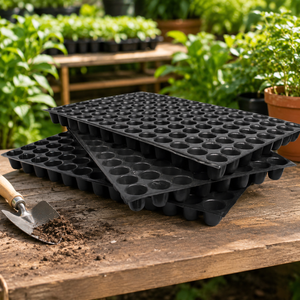
Reusable 104 Holes Seedling Tray (Set of 3)
₹295
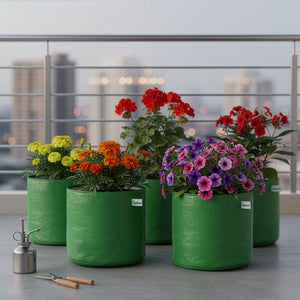
HDPE Round Grow Bag- 12 in x 12 in (DIA x H) (Set of 6) – 250 GSM
₹449
Total Amount
₹859
₹1,074
20% SAVE

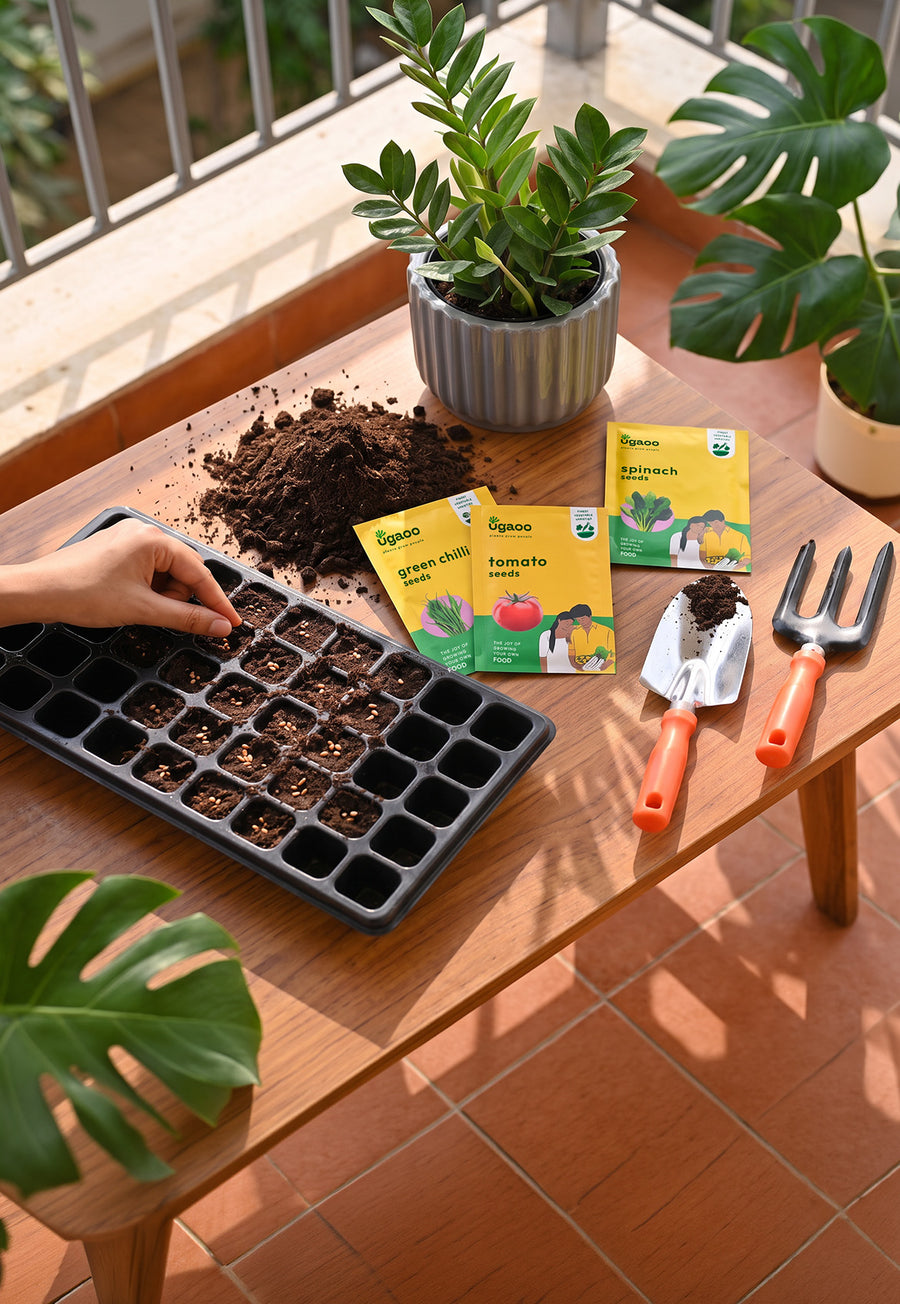
Grow it. From a seed
A tiny seed, your own hands, a little patience and it becomes something you can eat, smell, or simply admire. It's a small ritual in your own space that grows into something much bigger.

Your harvest, your hands
veggies, fruits, or blooms, all grown by you

No chemicals, just care
clean growing, right from the start

Daily dose of calm
a few minutes of mindful habit, every day

Skill that's yours for life
once you know how, it never leaves you
You may also like
⚡ DIWALI SALE

₹99
₹145
⚡ DIWALI SALE

₹149
₹175
⚡ DIWALI SALE

₹99
₹155
⚡ DIWALI SALE

₹99
₹145
⚡ DIWALI SALE

₹99
₹155
⚡ DIWALI SALE

₹99
₹155
⚡ DIWALI SALE

₹99
₹145
⚡ DIWALI SALE

₹99
₹155

