






Called Lilium lancifolium scientifically, Tiger lilies are iconic flowering plants. Why? Looking at their unique blooms, you'll probably get your answer! Cherished for their vibrant colours and unique spotted petals, these striking blooms hold cultural significance across various societies, symbolising wealth, prosperity, and even good luck in some cultures.
If you're looking to add a touch of exotic beauty to your garden, growing Tiger lily from bulbs is an excellent choice. This Tiger lily bulb planting guide covers everything you need to know about caring for these stunning flowers.
Significance of Tiger Lilies: What Do They Represent?

"Tiger aisa kyu hai?" With their bold appearance and alluring charm, Tiger lilies have effortlessly captivated gardeners and flower enthusiasts for ages. In addition to their aesthetic appeal, Tiger lilies carry cultural significance in many parts of the world. Tiger lilies symbolise motherhood, fertility, protection, and prosperity across various societies, especially in Asia. They have also inspired legends of resilience and beauty.
However, they go much beyond cultural symbolism. Tiger lilies have practical value as well. Historically, their bulbs were used in traditional medicine. In Chinese medicine, the bulbs were said to have therapeutic powers. They were used to treat various common issues like respiratory ailments, digestive disorders, and inflammatory conditions.
Additionally, extracts from these bulbs were also applied to wounds, as they were said to have healing powers.
How to Grow Tiger Lilies from Bulbs
Growing Tiger lily from bulbs is a straightforward process that can yield stunning results with proper care. Follow this Tiger lily bulb planting guide to get it right from the start.
1. Selecting Bulbs
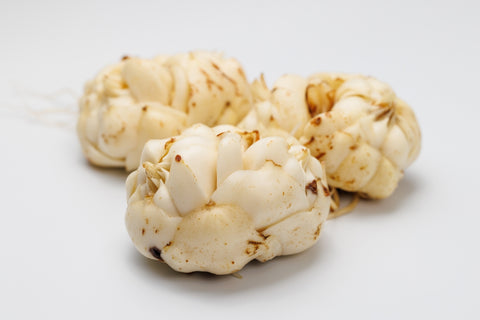
First, remember to choose the healthiest bulbs to plant. Look for bulbs that are free from mould, blemishes, or signs of damage. Shopping for bulbs from Ugaoo will make you less worried, as we do the selection and segregation for you.
2. Planting Location
Tiger lilies thrive in well-draining soil and prefer a location with full to partial sunlight. Ensure the soil is rich in organic matter and has good drainage to prevent waterlogging.
3. Planting Depth
Dig a hole deep enough to accommodate your Tiger lily bulbs, typically around 1-2 cm deep. Place the bulb in the hole with the pointed end facing upwards and cover it with soil.
4. Spacing
Spacing the bulbs appropriately is important because it ensures that they have enough space to grow as they bloom over time. Place them approximately 25-30 cm apart to allow room for growth and airflow.
5. Watering
Remember to water your newly planted bulbs thoroughly to settle the soil and provide moisture for root development. Keep the soil consistently moist but not waterlogged as it can lead to bulb rot.
6. Mulching
Apply a layer of organic mulch, such as compost or shredded leaves, around the base of the plants to conserve moisture and suppress weed growth.
7. Maintenance
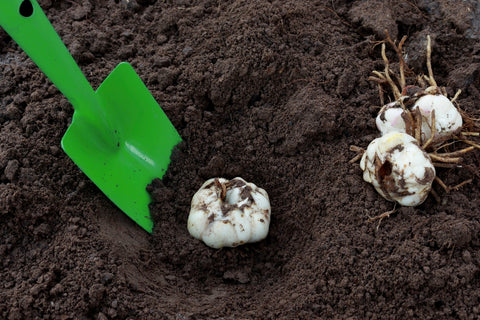
Keep an eye on your tiger lilies as they grow, ensuring they receive adequate water and sunlight. Remove any weeds or debris from the area to prevent competition for resources.
8. Fertilization
Apply a balanced fertilizer like Ugaoo's Vermicompost or organic compost in the spring to promote healthy growth and abundant blooms.
9. Protection
Protect young shoots from pests such as slugs and snails by using organic pest control like Ugaoo's Neem Oil.
10. Winter Care
In colder climates, apply a layer of mulch over the soil in the fall to insulate the bulbs and protect them from freezing temperatures.
Care Tips for Tiger Lily Flowers

If you're wondering how you can care for the flowers once they bloom, here's what you should know!
1. Deadheading
Remove spent flowers regularly to encourage continuous blooming and prevent the plant from expending energy on seed production.
2. Staking
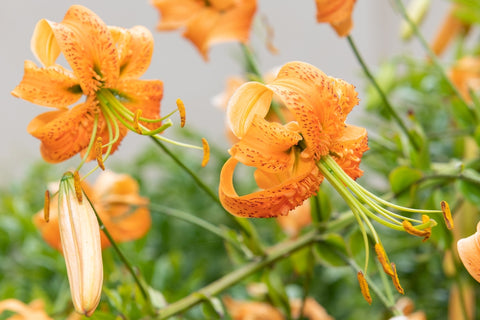
Provide support for tall varieties of tiger lilies by staking them to prevent the stems from bending or breaking in strong winds.
3. Dividing
Every few years, divide overcrowded clumps of tiger lilies in the fall or early spring to promote healthier growth and prevent overcrowding.
Growing flowers from bulbs can seem like a daunting process. However, it's relatively easy when you know what to do and just a little effort can go a long way, rewarding you with stunning blooms and wonderful garden displays!
FAQs
1. Tiger aisa kyu hai?
Much like Jackie Shroff's swag or Tiger Shroff's moves, the tiger lily has that unmissable, larger-than-life energy. Its bold orange petals covered in dark spots, much like a tiger's coat, are exactly what give it that same star quality in any garden.
2. How long does it take for a tiger lily bulb to bloom?
Most tiger lily bulbs take around 2 to 3 months to sprout and establish, with blooms typically appearing in summer. Once established, the plant flowers reliably every year without needing to be replanted.
3. Can tiger lily bulbs be grown in pots?
Yes, tiger lily bulbs grow well in pots as long as the container has good drainage and enough depth, around 20-25 cm, to accommodate root growth. Just make sure the pot gets full to partial sunlight through the day.


